A Vietnamese wedding usually happens in two parts. There's a private, traditional ceremony at home, centred on a tea ceremony and the families' ancestors, and then a big, joyful banquet, often in a restaurant or hotel, where hundreds of guests may gather. Many couples now hold both on the same day, and outside Vietnam the two are often blended with a Western ceremony.
For guests, the dress code is easy once you know two things: the bride usually wears red (and often white as well), and modesty matters, especially at the tea ceremony. Here's how to dress for each part.
The ao dai, explained
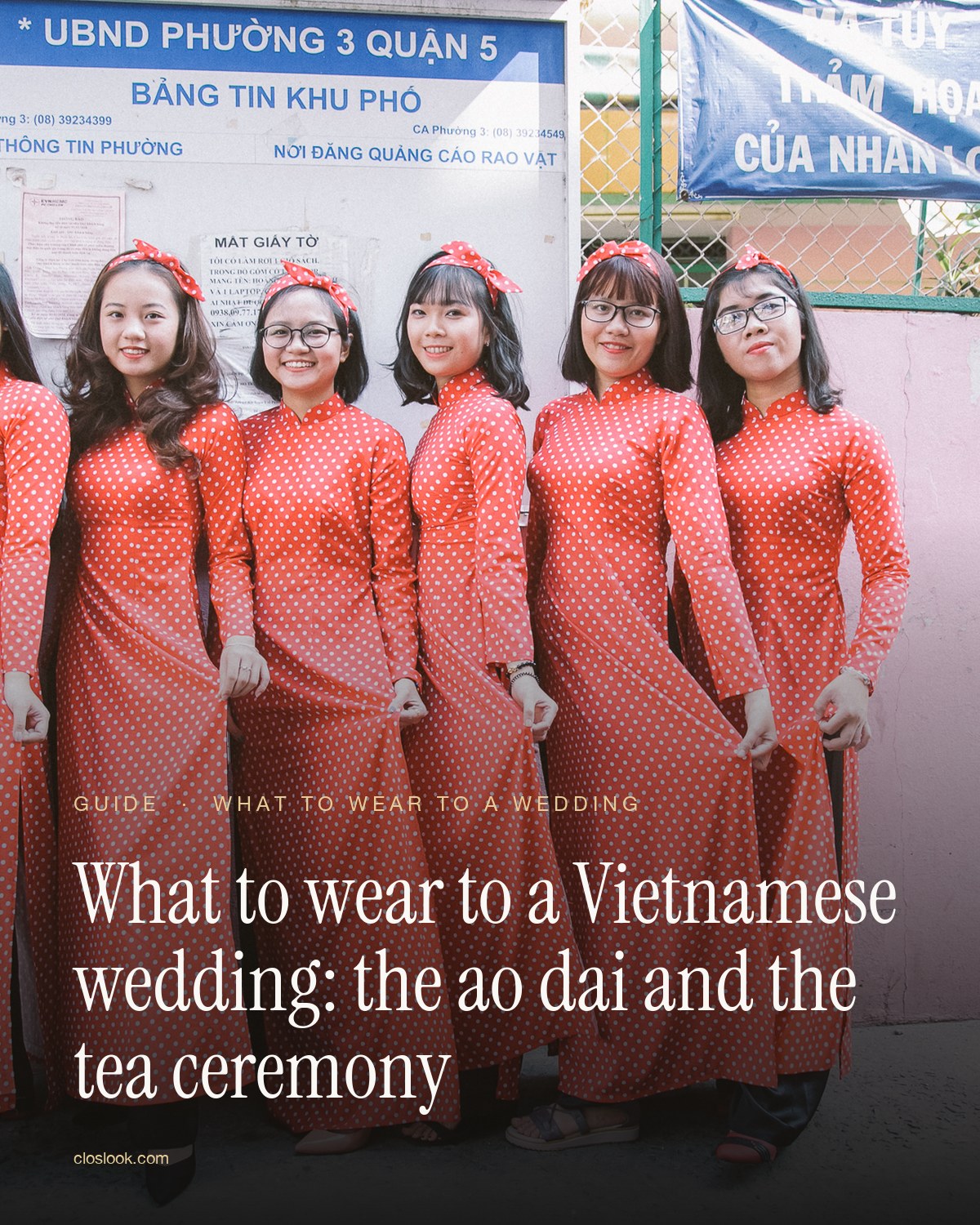
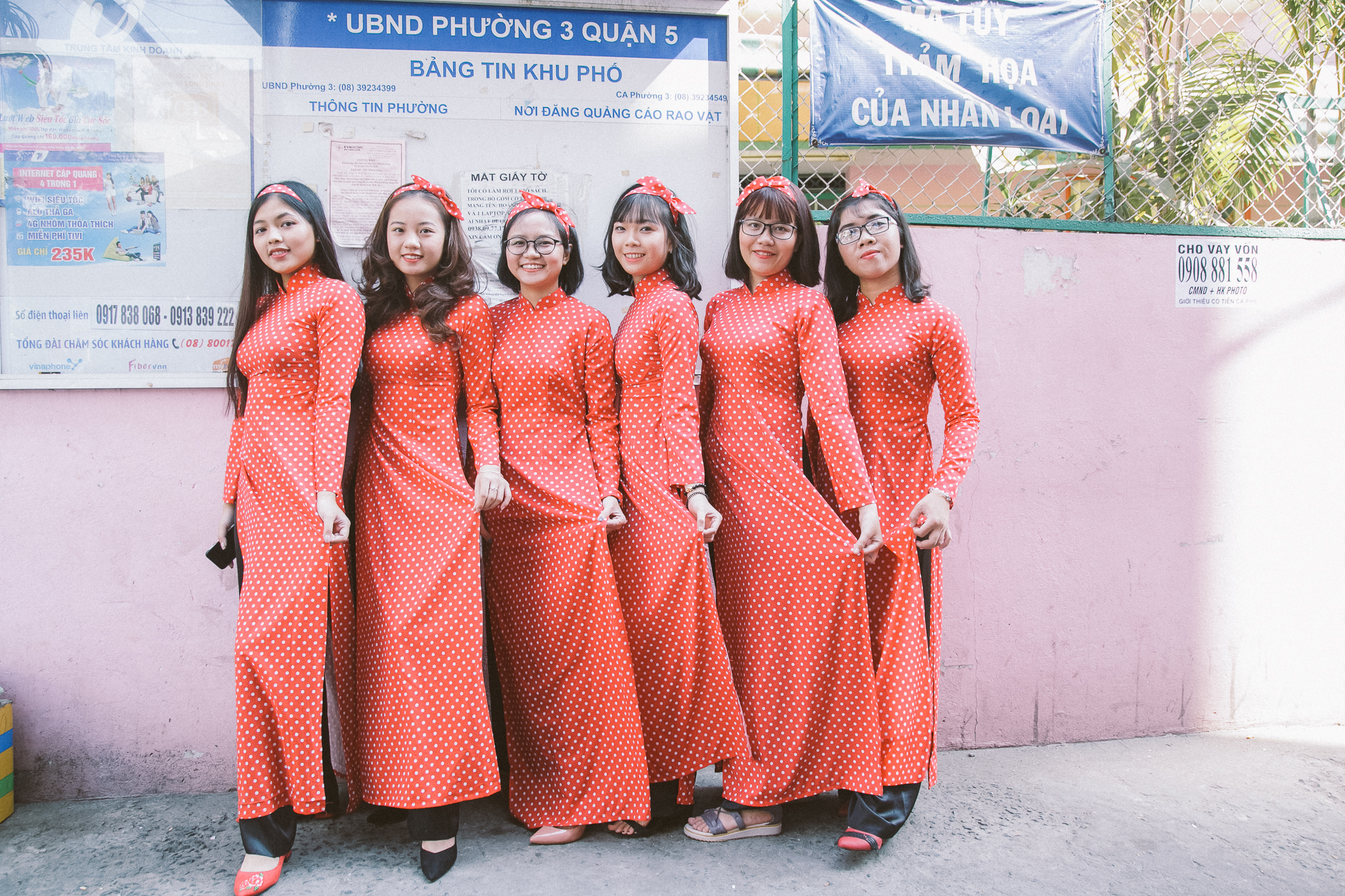
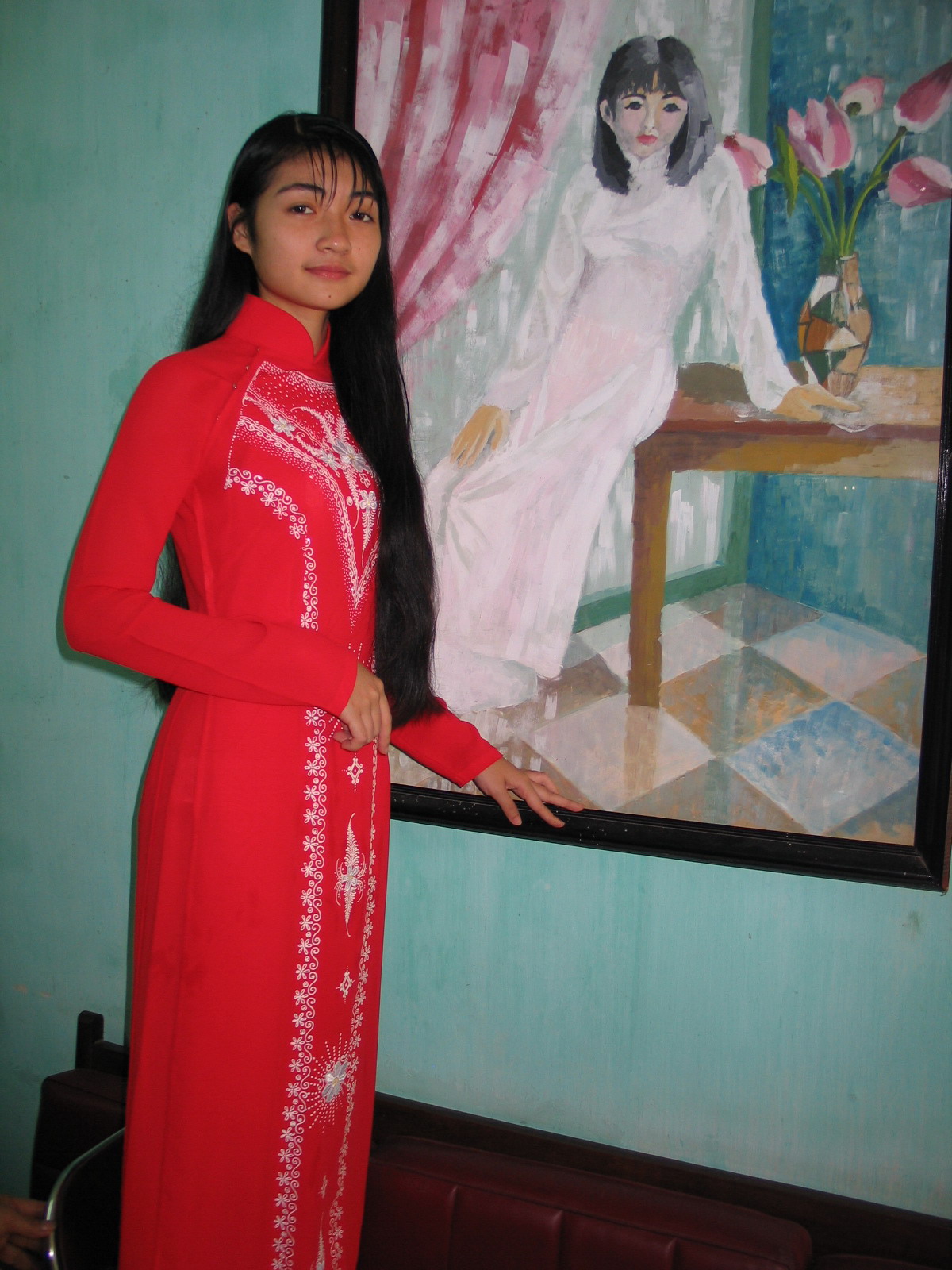
The ao dai is Vietnam's national dress: a long, fitted tunic with a high collar and side slits that open from the waist, worn over loose, flowing trousers. The Knot describes it as the traditional dress for a Vietnamese bride, and it's also widely worn by guests, family members and the wedding party.
For a wedding, the bride's ao dai is traditionally red, the colour of luck and happiness, often with gold embroidery of a dragon and phoenix. Many brides also wear a matching headdress called a khăn đóng or khăn vấn. Some brides change several times through the day, for example from a red ao dai at the tea ceremony to a white Western gown at the banquet.
For guests: an ao dai is a beautiful and welcome choice. Easy Weddings suggests an ao dai in a bright colour, or a formal dress, for women attending a wedding in Vietnam.
How to wear it: the ao dai is cut close to the body, so fit is everything. If you're buying one, have it tailored, or buy from a shop that offers made-to-measure sizes. Wear it with simple heels or elegant flats, and keep jewellery small: the dress is the statement.
The colours to leave to the bride
Red. The bride's colour. The Knot advises guests not to wear a red or white ao dai, because those shades are traditionally reserved for the bride, while noting that no colour is strictly forbidden.
White. Many brides wear white for part of the day, and in Vietnam, as in much of East Asia, white is also linked with mourning. Skip it, along with ivory and cream.
All-black. Opinions differ. Black is common at modern city weddings, but some older relatives may see it as a mourning colour. If you wear dark tones, add colour with your accessories, or simply choose a colour instead.
What to wear instead: almost any other colour. Jade, emerald, royal blue, lavender, peach, coral, gold and soft pink all look lovely at a Vietnamese wedding. Pastels suit a morning tea ceremony; deeper jewel tones suit an evening banquet.
How to wear it: if you can see the bride's colours on the wedding website or invitation, choose something clearly different. When in doubt, ask the couple or a family member.
The tea ceremony
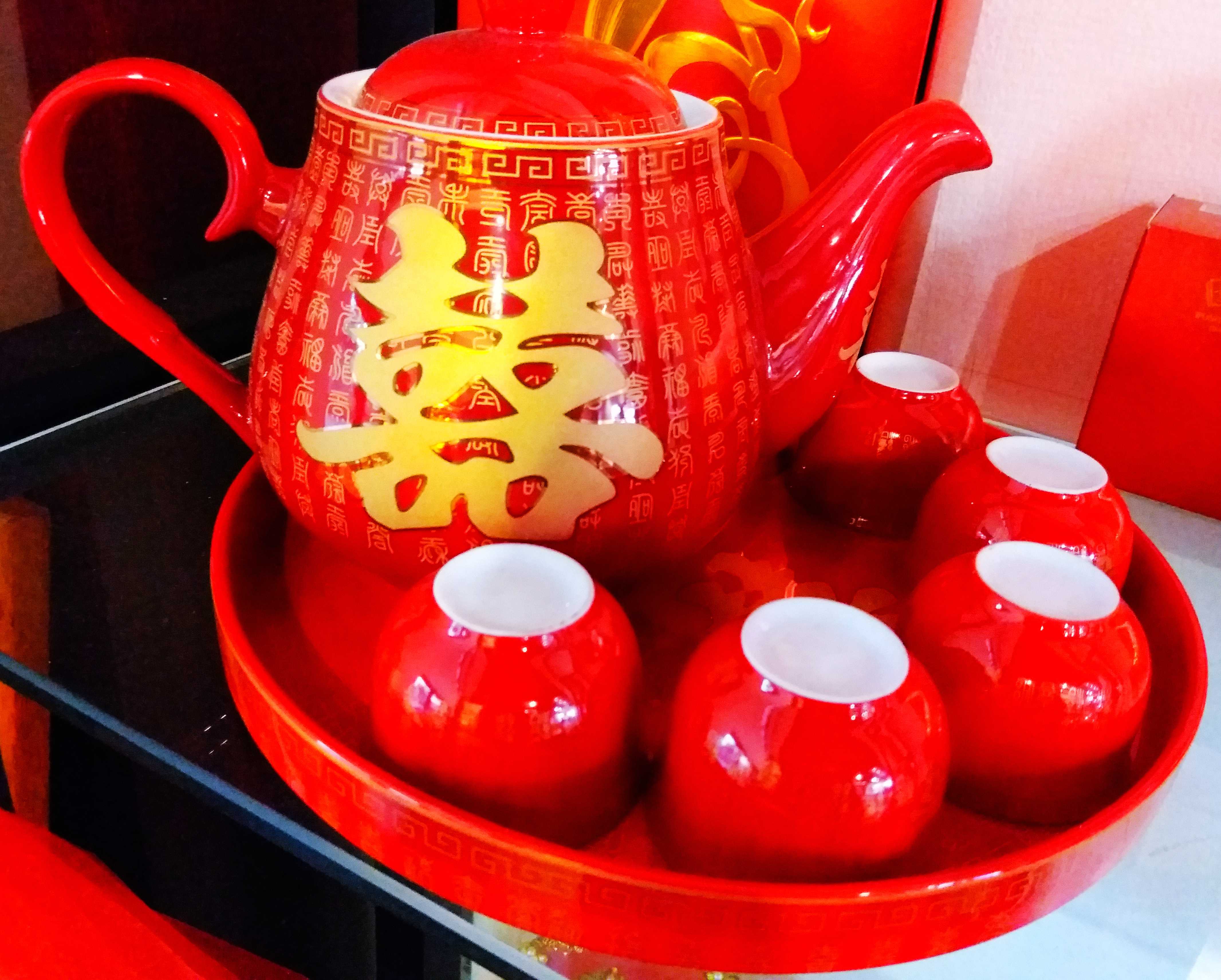
The tea ceremony is the heart of a traditional Vietnamese wedding. Vietnam Airlines' guide to the traditional wedding describes how the groom's family travels to the bride's home with gifts, often carried on lacquered trays covered in red cloth, to formally ask for the bride. The couple then offer tea to their parents and elders, pay respects at the family altar to their ancestors, and receive blessings and gifts.
It's usually small: immediate family, relatives and the closest friends. If you're invited, you're being honoured.
What to wear:
- Women: an ao dai in a soft or medium colour, or a modest midi dress with covered shoulders. Avoid short hems, low necklines and very tight fits.
- Men: a suit and tie, or a dress shirt and smart trousers at a more relaxed family. Older male relatives may wear a men's ao dai with a khăn đóng.
- Shoes: at a home ceremony you may be asked to remove your shoes, so wear a pair that slips off easily, and neat socks or tights.
How to wear it: think respectful rather than glamorous. This is a family ritual in front of the ancestors' altar, and the elders are the guests of honour.
The wedding banquet
The banquet is the big party. It's often held in a large restaurant or a hotel ballroom, with many courses, speeches, toasts, music and sometimes karaoke. The couple usually visit every table to greet the guests.
What to wear:
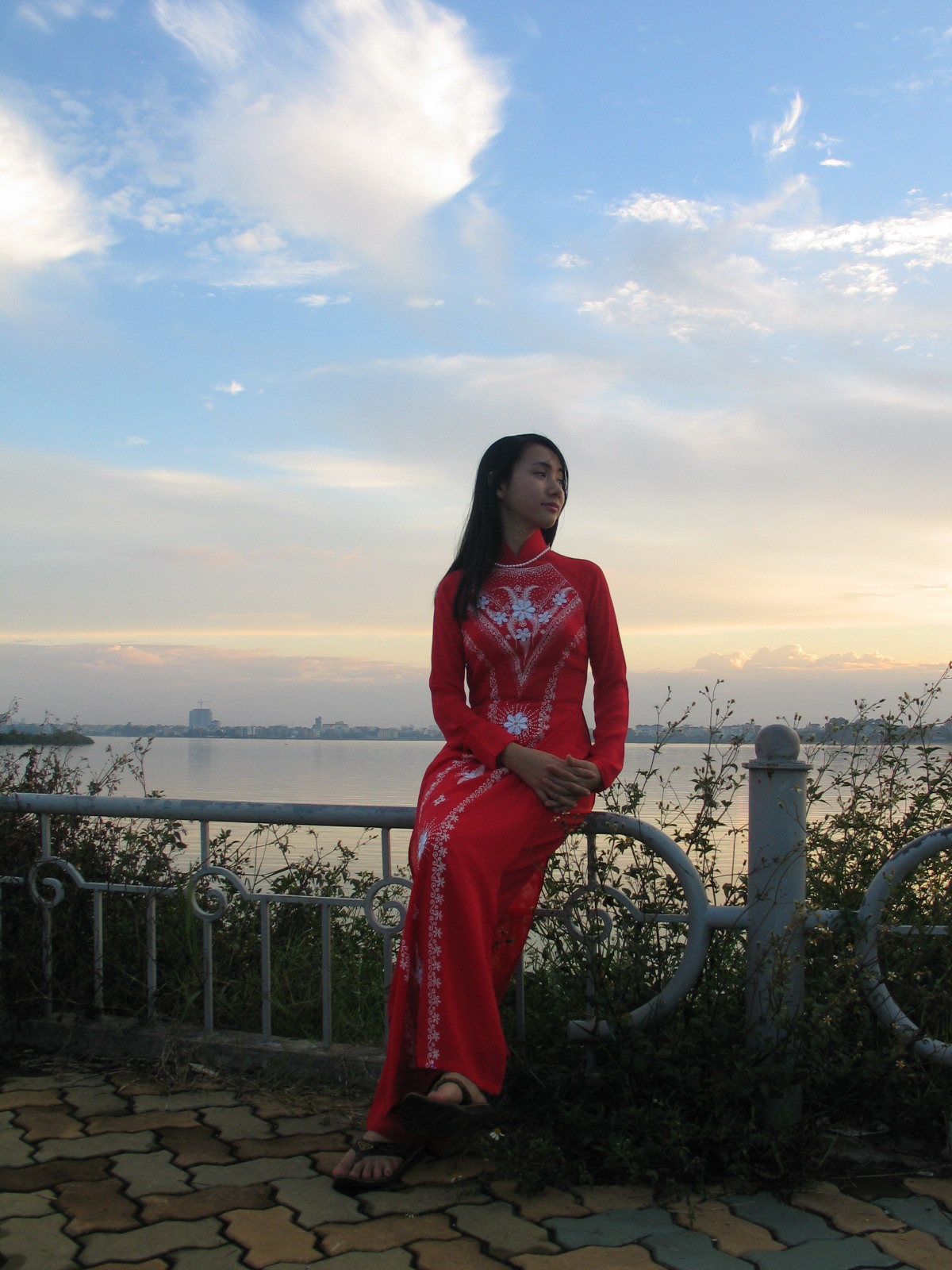
- Women: an ao dai in a rich colour or with embroidery, a cocktail dress, a formal midi dress or a dressy jumpsuit. A little sparkle is welcome in the evening.
- Men: a dark suit with a shirt and tie. A tuxedo is rarely needed unless the invitation asks for black tie.
Most banquets sit between cocktail and formal. If the invitation gives a dress code, follow it.
How to wear it: banquets can be long, so choose comfortable shoes and a fabric that won't crease badly through many hours of sitting.
Weddings outside Vietnam
Vietnamese weddings in Australia, the United States, France and elsewhere often combine traditions: a tea ceremony in the morning, a Western ceremony in a church or garden, and a banquet at night. The Knot notes that many couples outside Vietnam still wear the ao dai for the tea ceremony and change into Western clothes later.
For guests, that may mean two outfits: a modest ao dai or dress for the morning, and something dressier for the evening. Check the wedding website for the schedule.
Tips for every Vietnamese wedding
- Don't compete with the bride. No red, no white, nothing that looks like her outfit.
- Dress up. Vietnamese weddings are a big occasion. Avoid jeans, shorts, flip-flops and sportswear.
- Modest for the ceremony. Covered shoulders and a longer hem are always safe.
- Respect the elders. Greet the couple's parents and grandparents first.
- Plan for heat. In Vietnam's south and in summer, choose breathable silk or chiffon, and carry a fan.
- Plan for rain. In the rainy season, bring an umbrella and shoes that cope with puddles.
For men: the men's ao dai
The men's ao dai is looser than the women's, usually worn with a round khăn đóng headpiece. At a traditional wedding it's mostly worn by the groom and close family, especially fathers and grandfathers at the tea ceremony. A male guest from outside the family is fine in a suit.
The short version
Women: an ao dai or a modest formal dress in any colour except red and white, soft for the tea ceremony and richer for the banquet. Men: a suit and tie. Keep the tea ceremony outfit modest, wear shoes you can slip off at a home ceremony, and leave red and white to the bride.
Still deciding? Try Help me choose, or read our guides to Chinese and Korean weddings.