Everyone knows the first rule of wedding guest dressing: don't wear white. But red is a colour that makes people pause. Some guests love a red dress for a wedding; others think it's a faux pas. The truth is that it depends on whose wedding it is.
Why red is controversial
Part of the debate is recent. The Knot explains that social media creators have tried to decode the "hidden meaning" of guest dress colours, with claims that red signals seduction or even a past fling with the groom. The Knot's verdict: those ideas are nothing more than old wives' tales. There's no secret message in a red dress.
The other argument is more reasonable: red says "look at me" on a day when the attention should be on the couple. But, The Knot points out, so do pink, orange and yellow, and nobody bans those.
The real rule is the one an event planner told Brides: wedding guest etiquette has always been about not outshining or disrespecting the couple. Red can follow that rule or break it, depending on the outfit and the wedding.
When red is fine
At most Western and secular weddings, red is an acceptable colour, says The Knot, as long as the outfit suits the dress code, season and venue.
- A cocktail or semi-formal wedding: a red midi or knee-length dress in a simple shape.
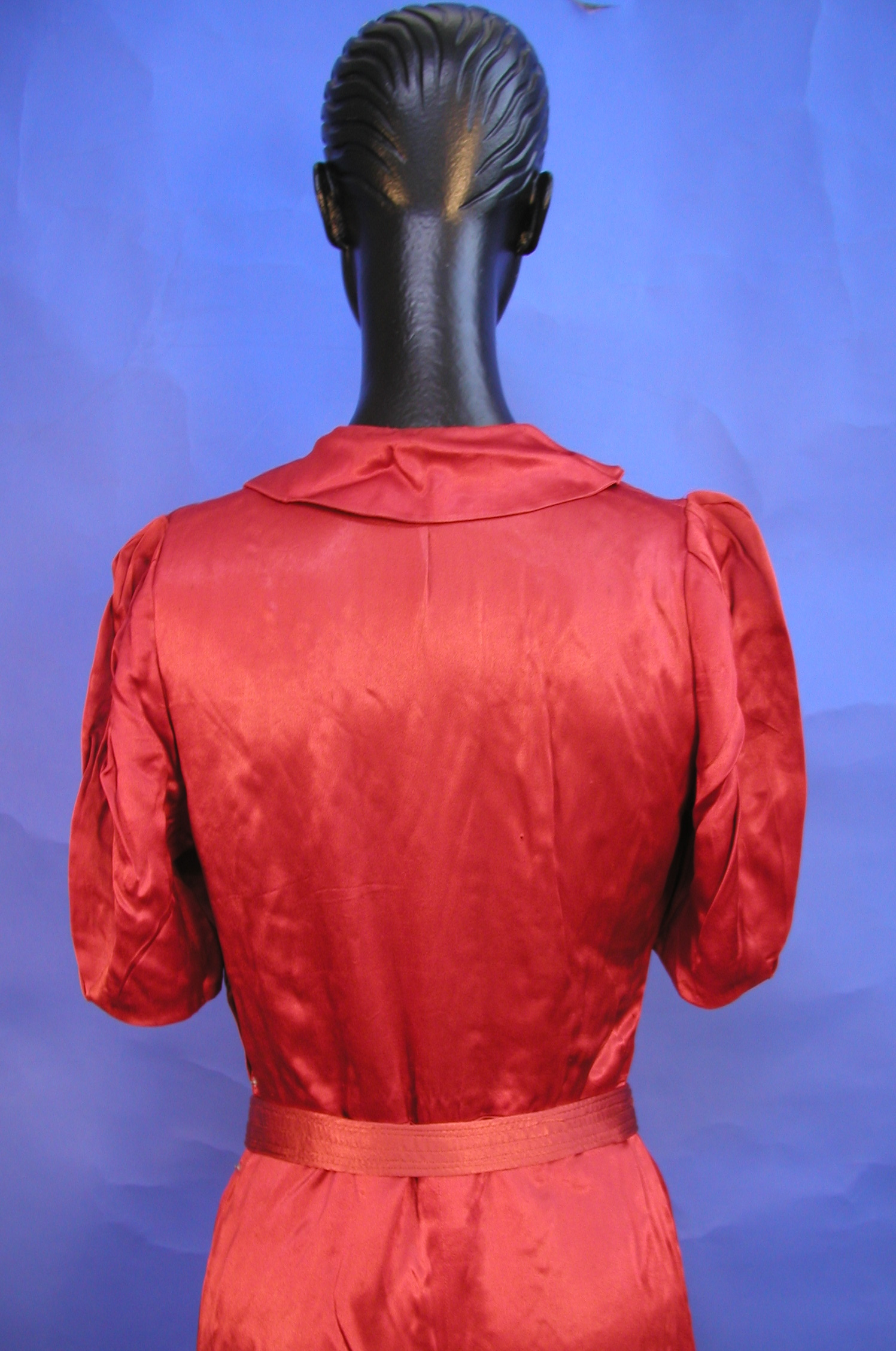
- An autumn or winter wedding: deep red, burgundy or wine feel warm and seasonal.
- A spring or summer wedding: a red floral print or a lighter coral red feels fresh rather than dramatic. Brides suggests deeper reds for cooler seasons and lighter, patterned reds for spring and summer.
Three times to avoid red
The Knot lists three situations where red is the wrong choice:
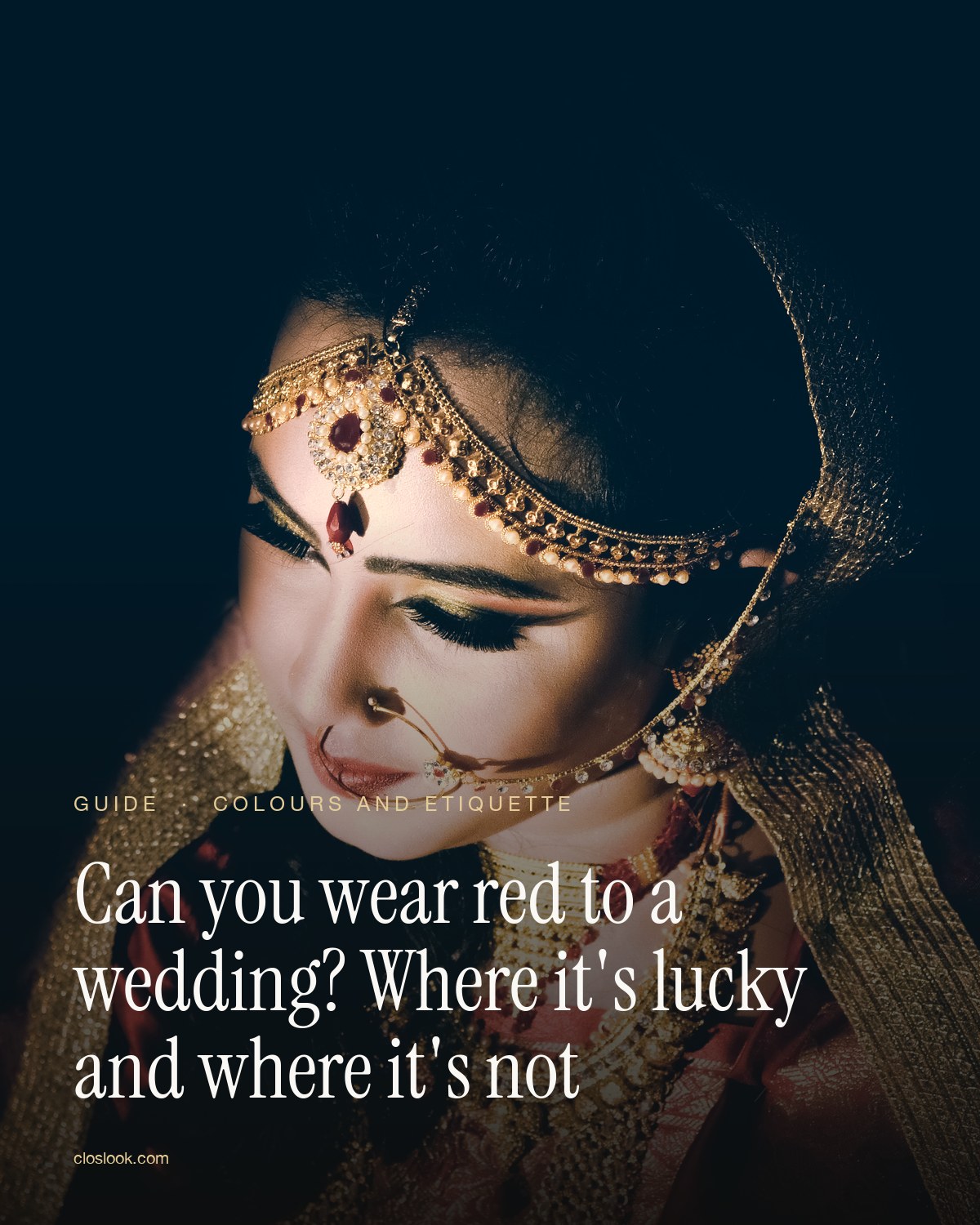
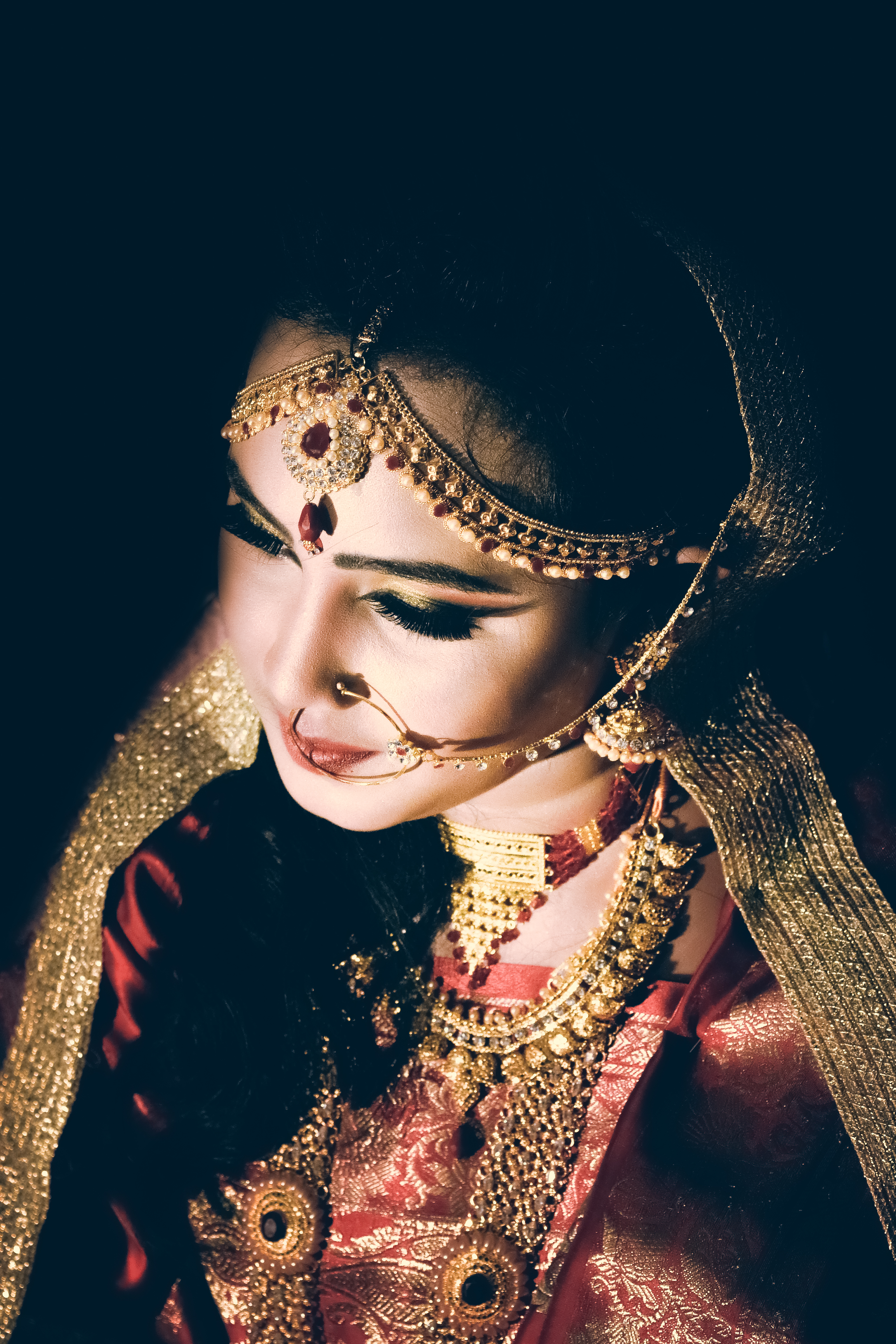
1. When red is the bride's colour. In some cultures, such as Indian, Pakistani and Chinese, and in religions such as Hinduism, red plays an important role in the wedding. It symbolises love, commitment and prosperity, and is typically worn by the bride or groom, a tradition that predates the white wedding dress. A guest in red might seem to be trying to overshadow the couple. A bridal stylist quoted by Brides puts it simply: if you aren't sure, it's probably better to stay away from the colour.
2. At very formal weddings. Red isn't off-limits at black tie or white tie, but The Knot says darker shades like black and navy are the better choice. The exception is burgundy: an evening gown in this rich red fits right in.
3. When the couple set a colour scheme. More couples give guests a palette or dress code, sometimes with a mood board. If red isn't in it, don't wear it. Following their palette is a sign of respect, and stops you sticking out in photos.
Red around the world
- Chinese weddings: red is the colour of luck and celebration, worn by the bride, especially for the tea ceremony. Choose pink, peach, gold or jewel tones. See our Chinese wedding guide.
- Indian and Hindu weddings: many brides wear red, so guests usually choose other bright colours: pink, orange, yellow, green or blue.
- Pakistani weddings: heavy red is the classic bridal look for the barat. Guests should avoid anything that could be confused with the bride's outfit. See our Pakistani wedding guide.
- Western weddings: red is generally fine, within the dress code.
- Fusion weddings: if one side's tradition gives red to the bride, follow that.
When the couple are from a culture you don't know well, check their wedding website or ask. As The Knot notes, many modern couples within these cultures choose less traditional wedding clothes, so the only way to be sure is to ask.
How to wear red well
If red is right for the wedding, style it so it celebrates rather than competes:
- Choose a simple shape. Let the colour do the work. A dramatic colour plus a dramatic cut can tip into upstaging.
- Avoid very bridal styles: no huge skirts, trains or heavy embellishment.
- Pick the right shade for the season: burgundy and wine in winter; coral, tomato or red prints in summer.
- Keep accessories neutral: nude, gold or black shoes and a simple clutch.
- Mind the makeup: a red lip with a red dress is a classic, but a softer lip keeps the look elegant at a daytime wedding.
- Add a layer: a neutral wrap or jacket tones red down for a church ceremony.
- Watch the formality: a bright red mini at a church ceremony reads very differently from a burgundy gown at an evening party.
Shades of red, explained
Not every red reads the same. A quick guide:
- Burgundy and wine: deep, elegant and the easiest red for formal and evening weddings.
- Oxblood and rust: earthy, perfect for autumn and rustic venues.
- Cherry and classic red: bold and festive, best for cocktail and semi-formal Western weddings.
- Tomato and coral red: warmer and lighter, lovely for summer and daytime.
- Red prints: a red floral or patterned dress softens the colour, so it feels joyful rather than dramatic.
If you already own a red dress
You don't have to give it up. Ask yourself three questions:
1. Is red the bride's colour in this couple's tradition? If yes, save it for another day. 2. Does it fit the dress code? A sleek red midi suits a cocktail wedding; a red sequinned gown may be too much for an afternoon garden party. 3. Could it upstage the couple? If it's the most dramatic dress you own, keep it for a party that's about you.
If the answers are no, yes and no, wear it with confidence.
Red for men
Red works for men in small doses:
- A burgundy or wine tie with a navy or grey suit.
- A red pocket square for a pop of colour.
- A burgundy velvet jacket at a winter black tie optional wedding, if the dress code allows colour.
The same cultural rules apply: where red belongs to the couple, keep it out of your outfit.
Red versus other colours
- White: still off-limits unless the couple ask. See Can you wear white to a wedding?.
- Black: widely accepted at Western weddings, but avoided at many traditional ones. See Can you wear black to a wedding?.
- Pink, orange and yellow: bright, but rarely questioned, and often perfect at the cultural weddings where red is not.
The short version
At most Western weddings, red is fine: choose a simple shape, a shade that suits the season, and burgundy for black tie. Avoid red at Chinese, Indian, Pakistani and other weddings where it's the bride's colour, and whenever the couple's colour scheme leaves it out. If in doubt, ask, or choose another bright colour.
Still deciding? Try Help me choose.