A Pakistani wedding isn't one day: it's a series of celebrations. Riwaj explains that a traditional wedding usually spans three to five events, each with its own mood and level of formality. Orza.pk agrees: several events, each with a different feel, so planning an outfit for each keeps you comfortable and saves last-minute shopping.
Each event has its own colours, fabrics and level of sparkle, from the playful brights of the mehndi to the rich embroidery of the barat and the soft pastels of the walima. Getting the mood right for each one is the key to dressing well, whether you're family, a friend or attending your very first Pakistani wedding.
Here's what to wear to each one.
The events at a glance
- Dholki: musical evenings at home before the wedding. The most casual.
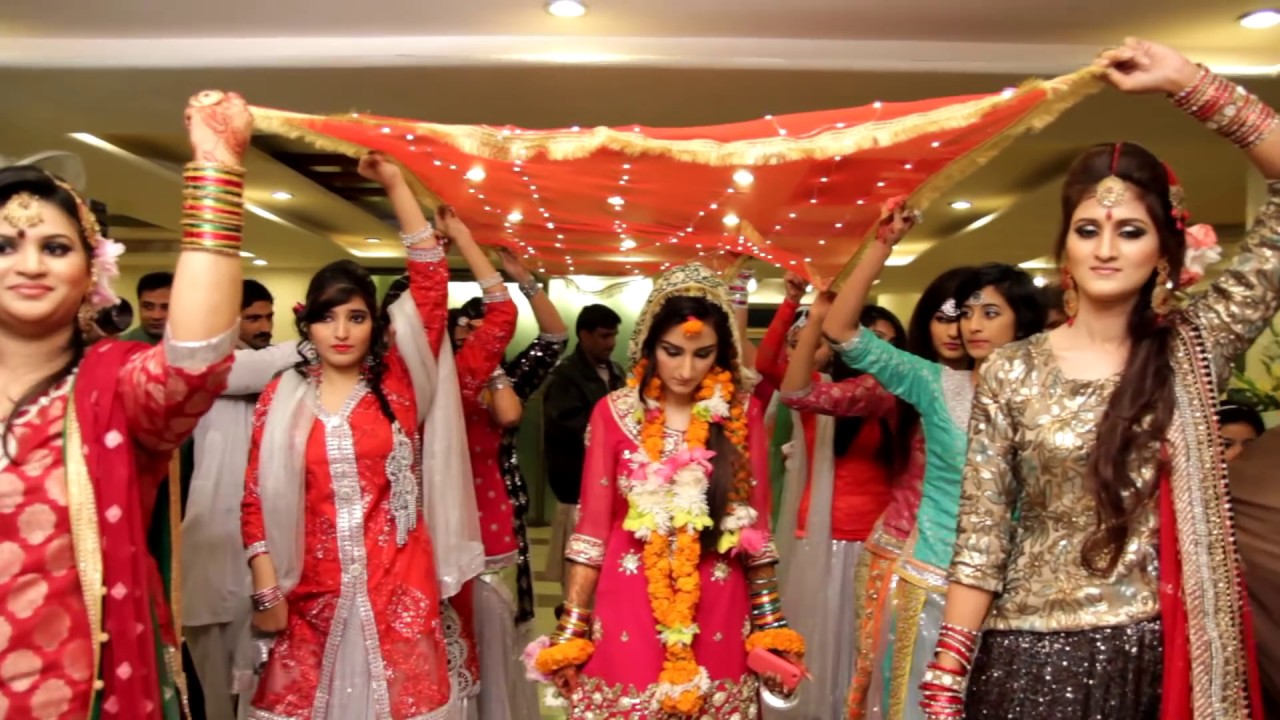
- Mehndi: bright, joyful and relaxed, with music and dancing.
- Nikkah: the religious marriage ceremony.
- Barat: the groom's procession and the main wedding day. The most formal.
- Walima: the reception hosted by the groom's family. Elegant and softer.
Not every wedding has all of them, and some combine events. Your invitation will tell you which you're invited to.
Mehndi: bright and comfortable
Orza.pk calls the mehndi the most colourful and relaxed event. Riwaj describes it as joyful and informal.
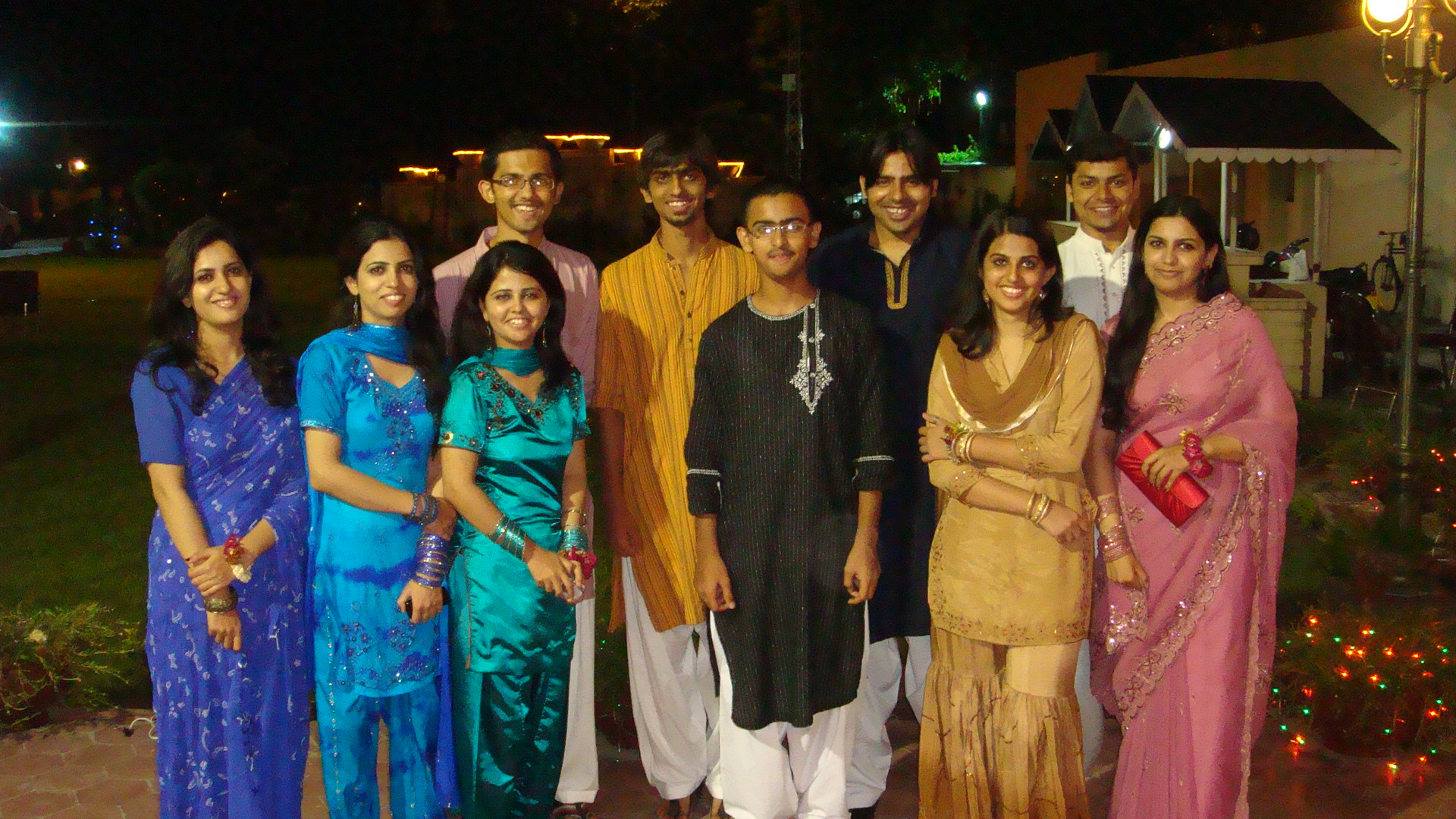
- Colours: bright yellows, greens, oranges and pinks. Riwaj adds parrot green and marigold.
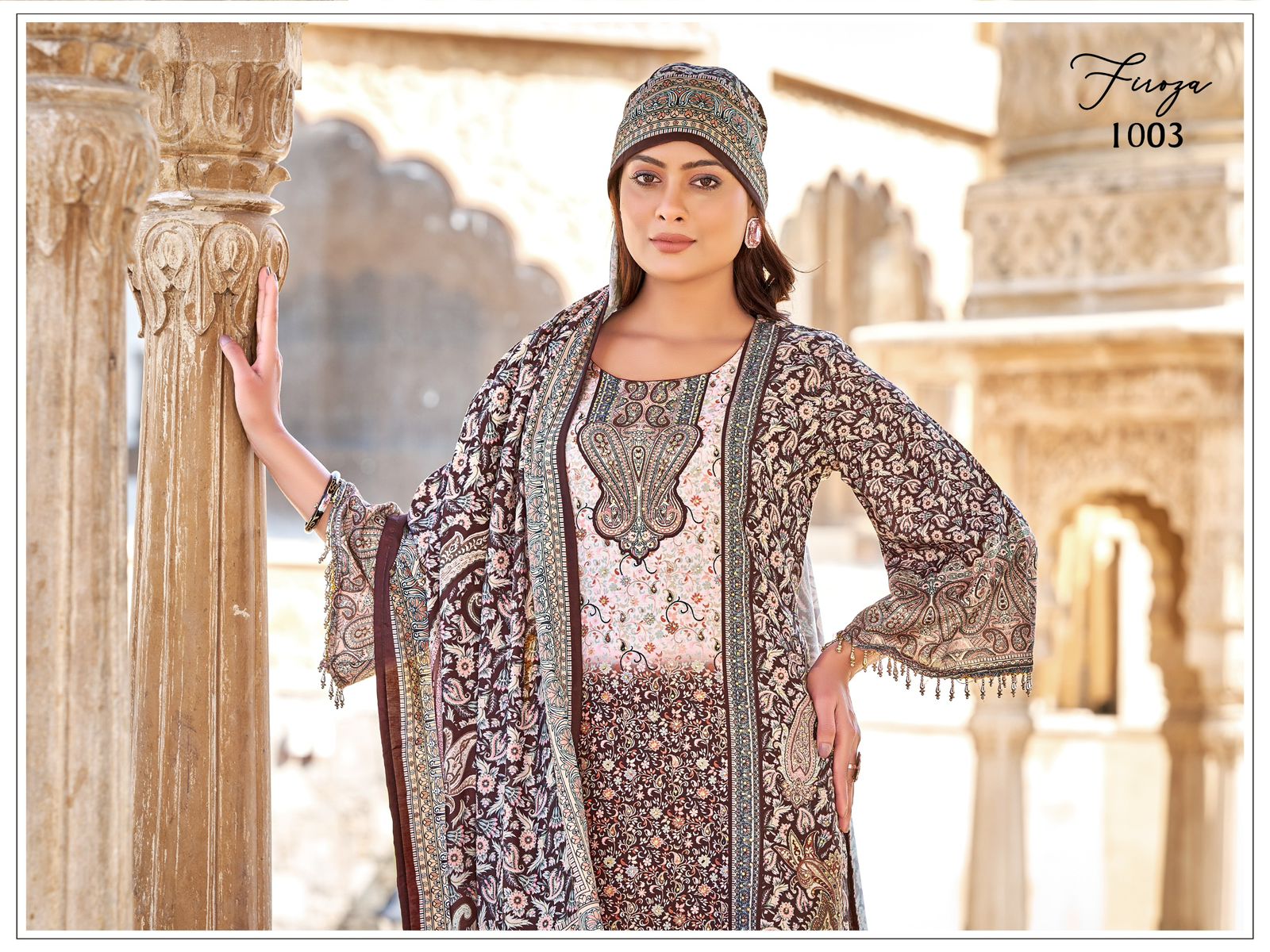
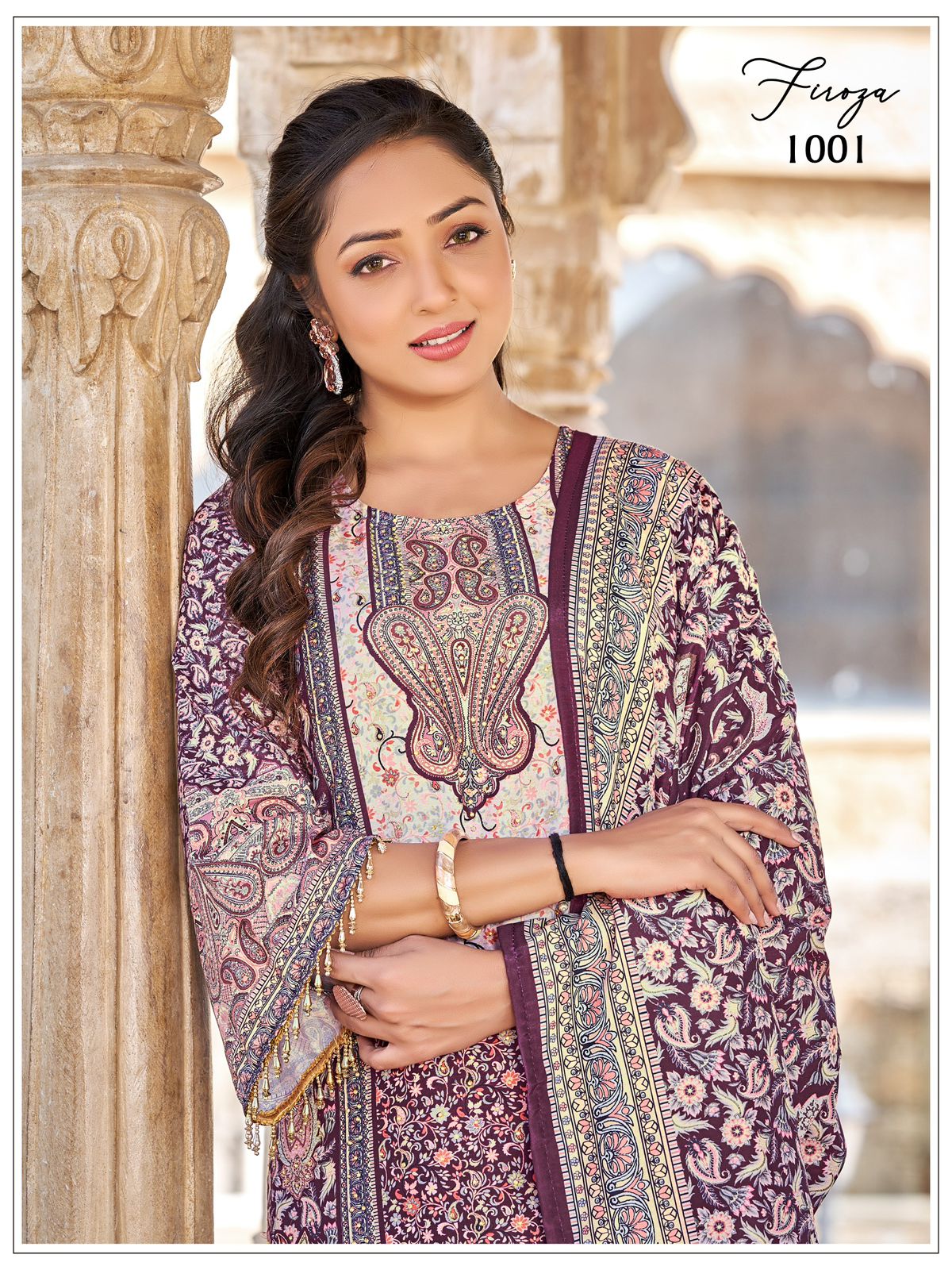
- Outfits: a printed or lightly embroidered suit, a long kurta, a flowing frock, a lightweight anarkali, or a kurta with palazzo trousers or a printed sharara.
- Fabrics: cotton, lawn and light silk.
- Details: mirror work, gota (metallic ribbon trim) and floral prints rather than heavy embroidery.
- Comfort: there's often dancing and floor seating, so choose something you can move and sit in. Orza.pk suggests saving heavy jewellery for later events.
Barat: the most formal day
Orza.pk says the barat is usually the most formal day, and Riwaj calls it the grand event, where you bring out your best.
- Fabrics: richer fabrics and more embroidery: chiffon, organza, embellished suits, and velvet in winter.
- Colours: deep shades such as maroon, emerald, navy and plum look elegant.
- Outfits: a floor-length anarkali with a heavy dupatta, a formal shalwar kameez with fine thread work, or a lehenga-style sharara.
- Jewellery and dupatta: at their most polished today.
Avoid looking bridal. Orza.pk advises avoiding anything that could be confused with the bride's outfit, especially heavy red bridal styles. The Knot also notes that red is typically worn by the bride at Pakistani weddings. Riwaj lists ruby red among traditional barat colours, so a red accent may be fine, but a heavily embellished red outfit is best left to the bride.
Walima: elegant and soft
The walima is hosted by the groom's family. Riwaj says it's elegant but a little less formal than the barat, and Orza.pk describes it as formal but softer in tone.
- Colours: pastels such as blush pink, powder blue, champagne, sage and soft lavender.
- Embroidery: elegant rather than very heavy.
- Outfits: a well-fitted three-piece suit with a light dupatta, a draped chiffon suit, a straight kurta with wide trousers and an organza dupatta, or a pastel gharara.
Dholki and nikkah
- Dholki: the most casual events. A comfortable printed suit or a printed lawn kurta set is enough, say both sources.
- Nikkah: choose a graceful, modest outfit in soft colours, Orza.pk advises. Carry a dupatta in case a head covering is expected during the ceremony.
The dupatta: how to wear it
The dupatta, a long scarf, is part of most women's outfits and changes the whole look.
- Over one shoulder: neat and practical for dancing at the mehndi.
- Draped across both arms: elegant for the barat and walima.
- Pinned at the shoulder: keeps a heavy dupatta in place all evening.
- Over the head: for the nikkah or any religious moment.
Riwaj says dupatta draping should be at its most polished for the barat, and an organza dupatta is an easy way to make a simple suit look formal.
Jewellery and accessories
- Mehndi: light, fun pieces: floral or mirror jewellery, colourful bangles and small jhumkas (bell earrings).
- Barat: your statement pieces: chandbali or jhumka earrings, a necklace set and a beautiful clutch.
- Walima: softer and more refined, such as pearls or delicate gold.
- Shoes: khussas (embroidered flat shoes) are comfortable for long evenings; low heels suit the walima.
- Henna: many guests have mehndi (henna) applied on their hands at the mehndi event. It's a lovely way to join in.
What not to wear
- Heavy bridal red at the barat.
- Very revealing clothes: low necklines, bare backs or short hems.
- Very casual clothes: jeans and T-shirts, even at the dholki.
- Uncomfortable shoes for long events with dancing.
Fabrics by season
Riwaj's fabric guide:
- Chiffon and georgette: ideal for the barat and walima. They drape well and photograph beautifully.
- Organza: dupattas and overlays add a modern touch to formal evening outfits.
- Silk and raw silk: a timeless choice that carries embroidery well.
- Lawn and cotton: best for the mehndi, dholki and daytime events.
- Velvet: a winter wedding staple.
Orza.pk adds: outdoor winter events need warmer fabrics or a shawl, and summer events need lighter ones.
What men can wear
- Mehndi: a bright or printed kurta with shalwar or trousers.
- Barat: a formal kurta with a waistcoat, a sherwani, or a dark suit.
- Walima: a kurta and waistcoat in a soft colour, or a suit.
- Shoes: khussa or polished leather shoes.
Tips for non-Pakistani guests
- Traditional clothes are welcome. Most families are delighted when guests wear shalwar kameez, a sharara or a kurta. Ask a friend from the family to help you choose.
- Western clothes work too. Choose a modest, formal dress with sleeves or a long skirt, or a suit.
- Keep it modest: covered shoulders and longer hems are the safe choice.
- Carry a dupatta or shawl for the nikkah or any religious part of the day.
- When in doubt, choose a colour. Pakistani weddings are celebrations of colour, and a bright or jewel tone is never wrong.
Smart planning
Orza.pk's advice:
- Plan all your looks together so you're not shopping the night before.
- Mix and match: one plain shirt can look different with a new dupatta and jewellery.
- Comfortable shoes: weddings involve a lot of standing and walking.
- Order early: wedding season is busy.
The short version
Mehndi: bright, light and comfortable. Barat: rich fabrics and deep colours, but nothing that looks bridal. Walima: soft pastels and elegant embroidery. Men wear a kurta, waistcoat, sherwani or suit. Carry a dupatta, dress modestly, and plan every outfit in advance.
Still deciding? Try Help me choose, or read Can you wear red to a wedding?.