A Jewish wedding is joyful, meaningful and often very lively. There's a canopy, a broken glass, shouts of "Mazel tov!" and, at many weddings, energetic circle dancing that lifts the couple into the air on chairs.
What you wear depends mostly on the couple's community. Jewish weddings range from Orthodox, the most traditional, through Conservative, to Reform, the most relaxed, and as My Jewish Learning points out, every wedding is slightly different. Here's how to dress for each.
The guiding idea: modesty
The value behind Jewish dress is modesty, called tzniut in Hebrew. A rabbi writing for My Jewish Learning explains that it applies to both men and women, but for women it may mean long dresses, skirts rather than trousers, and long sleeves. Different communities express it differently. Some observant communities favour dark, conservative styles, but modest clothing can still be fashionable.
As a designer told The Knot, conservative clothing is always a safe choice, because it's what most guests will wear, and you want to blend in.
Orthodox weddings
The most traditional, with the strictest dress code, especially when the ceremony is in a synagogue.
Women:
- Formal dresses or skirts at or below the knee.
- Shoulders covered, with sleeves close to or covering the elbows.
- A high neckline, with no cleavage or chest showing.
- Skirts or dresses rather than trousers.
- Muted tones and pastels rather than very bright or flashy colours, unless the invitation says otherwise.
- At a very traditional wedding, a long, dark dress with a high neck, closed back and long sleeves, with closed-toe shoes, is a safe choice.
Hair: unmarried women aren't expected to cover their hair, even in Orthodox circles. The rabbi suggests that a married woman who doesn't normally cover her hair might wear a hat or decorative head covering out of respect.
Men:
- A black, navy or grey suit with a white shirt and tie.
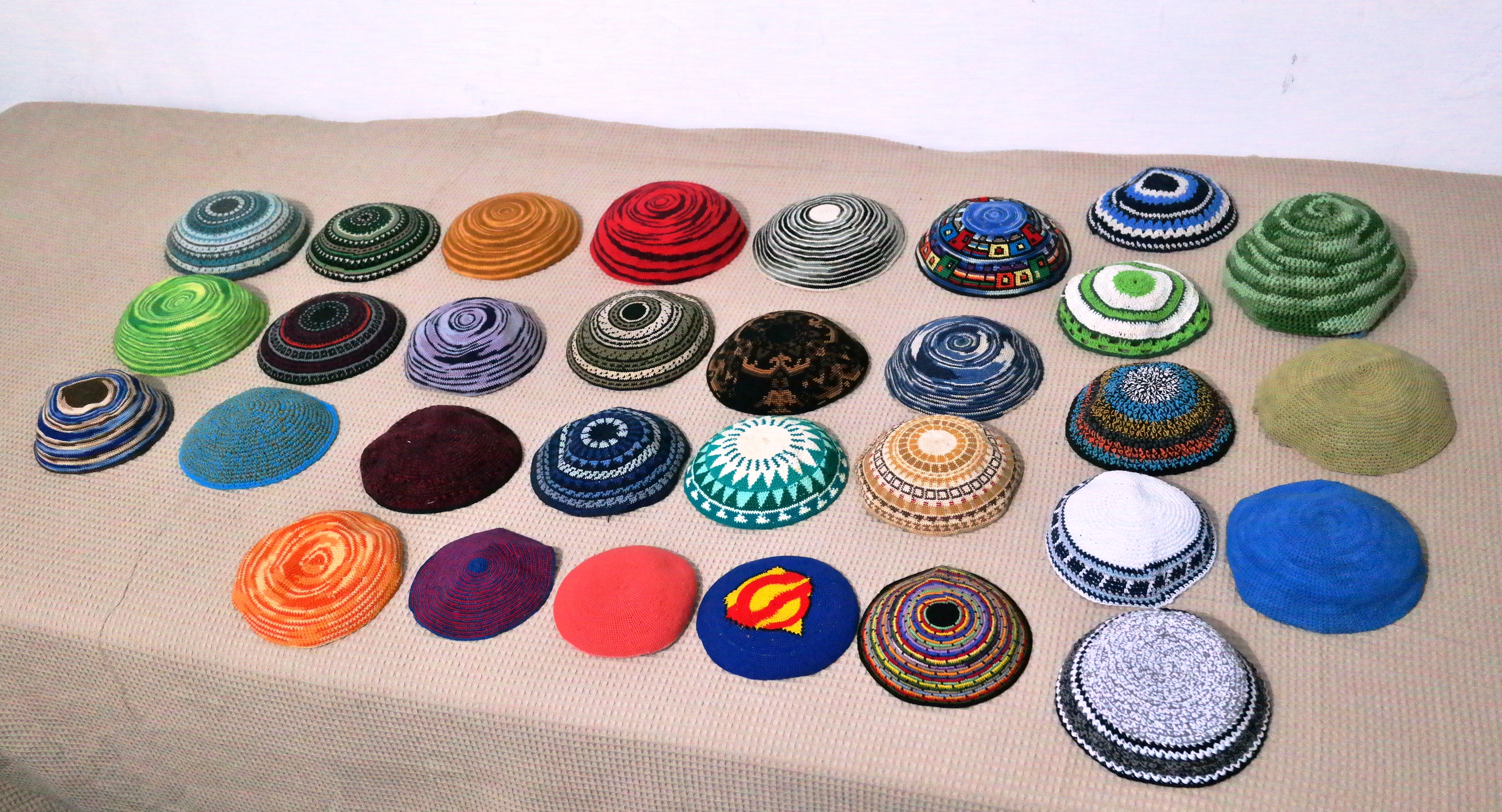
- A kippah (skullcap) during the ceremony: both Jewish and non-Jewish men will likely be expected to wear one.
- At a morning ceremony, men may also be invited to wear a tallit (prayer shawl).
Seating and dancing: at some Orthodox weddings, men and women sit on opposite sides of the aisle, and dance in separate circles, sometimes divided by a partition called a mechitza.
Conservative weddings
Similar to Orthodox, but less strict.
- Women: modesty still matters, but hems, necklines and sleeves can be a little freer. Dresses, skirts and dressy pantsuits all work, and short sleeves are fine. Avoid bare shoulders, a lot of cleavage, miniskirts and very tight or revealing clothes. Keep accessories low-key.
- Men: a suit and tie, or a dress shirt and smart trousers. A kippah is suggested but not required.
Reform weddings
The most relaxed, with no strict dress code, though tasteful is still the goal.
- Women: a dress at least to fingertip length, a pantsuit, a jumpsuit, a gown or a maxi dress. You can show more shoulder and some back. One designer's advice to The Knot: have fun with colour, the more vibrant the better.
- Men: a suit, a tuxedo for a formal evening, or a dress shirt and smart trousers.
Tips for every Jewish wedding
- Follow the invitation. Match the dress code, whether cocktail or black tie, and if it's unclear, ask the couple or planner.
- Bring a wrap. For any ceremony in a synagogue, bring a wrap or light jacket to cover your shoulders. Many women cover up for the ceremony and uncover for the party.
- Dress up. Jewish weddings tend to be semi-formal or formal. Avoid denim, leggings, sneakers, slides and loungewear. Even in a backyard, choose a dressy sundress or chinos and a button-up shirt.
- No white. As at any wedding, leave white to the bride.
- Dress for the season: darker tones in autumn and winter, lighter colours in spring and summer.
- Comfortable shoes. You'll want to join the dancing.
- Kippah tip: a clip keeps it in place on the dance floor.
What you'll see on the day
Knowing the order of events helps you dress and arrive at the right time:
- Two start times: the first is the kabbalat panim, a reception to greet the couple before the ceremony; the second is the ceremony. If you skip the first part, arrive at least 15 minutes before the ceremony.
- The ketubah: the Jewish marriage contract, often a beautiful work of art, signed before the ceremony.
- The bedeken: the groom veils the bride, a moving moment just before the ceremony.
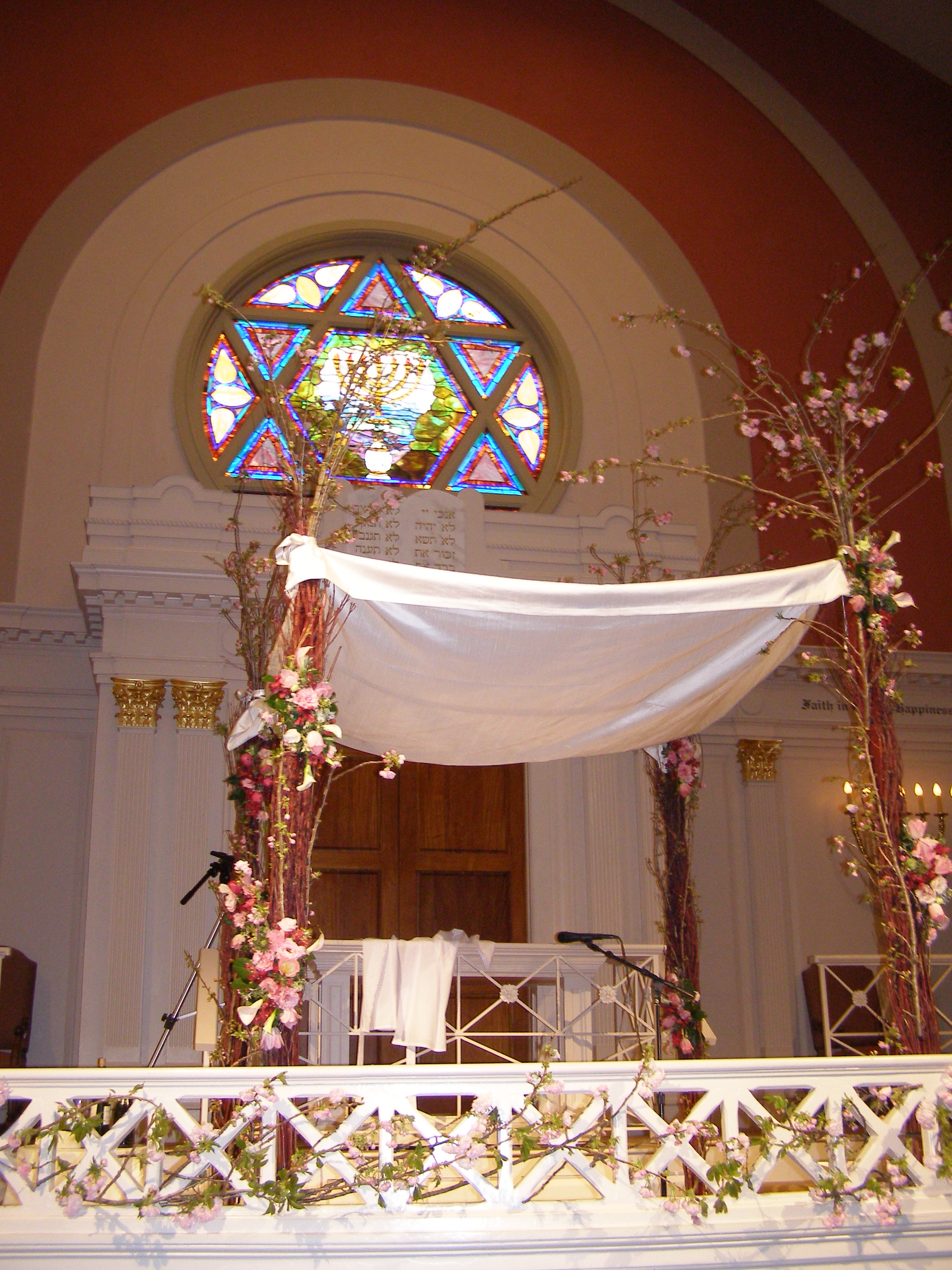
- The chuppah: the wedding canopy the couple stand under during the ceremony.
- The seven blessings (sheva berakhot): recited over a cup of wine. Feel free to hum along.
- Breaking the glass: the ceremony ends when a glass is broken, and everyone shouts "Mazel tov!"
- The hora: lively circle dancing, during which the couple may be lifted up on chairs.
The short version
Orthodox: modest and formal, with knees, shoulders and elbows covered, and a kippah and suit for men. Conservative: similar but freer. Reform: the most relaxed, with colour welcome. For every Jewish wedding: dress up, bring a wrap for the synagogue, skip white and wear shoes you can dance in.
Still deciding? Try Help me choose, or read our guide to semi-formal attire.