An invitation marked black tie optional is asking for a formal evening look, not an ordinary party outfit. The word “optional” creates a choice within formal dressing: a tuxedo or a polished dark suit; a long evening gown or an equally considered dress, jumpsuit, or tailored ensemble. The invitation sets the standard. Your job is to choose an outfit that meets it without assuming that everyone must dress alike.
Start with the invitation, not the outfit
Read the complete invitation and any linked event details before deciding what to wear. “Black tie optional” is the starting point, but a note about a particular ceremony, colour theme, venue, or tradition may refine it. A formal ballroom reception and an outdoor celebration can share the same dress code while calling for different footwear and layers.
Look for three practical clues: where the ceremony takes place, whether any part of the event is outdoors, and whether the hosts have given specific attire guidance. If the invitation says “formal attire encouraged,” treat that as a request for an elevated look rather than permission to arrive in everyday clothes. If a cultural or religious setting requires a covering or particular footwear etiquette, follow that instruction alongside the formal dress code.
When instructions seem inconsistent, consult the event website or a designated contact. A brief, specific question is more useful than guessing. The invitation always outranks a generic style rule.
What black tie optional actually means
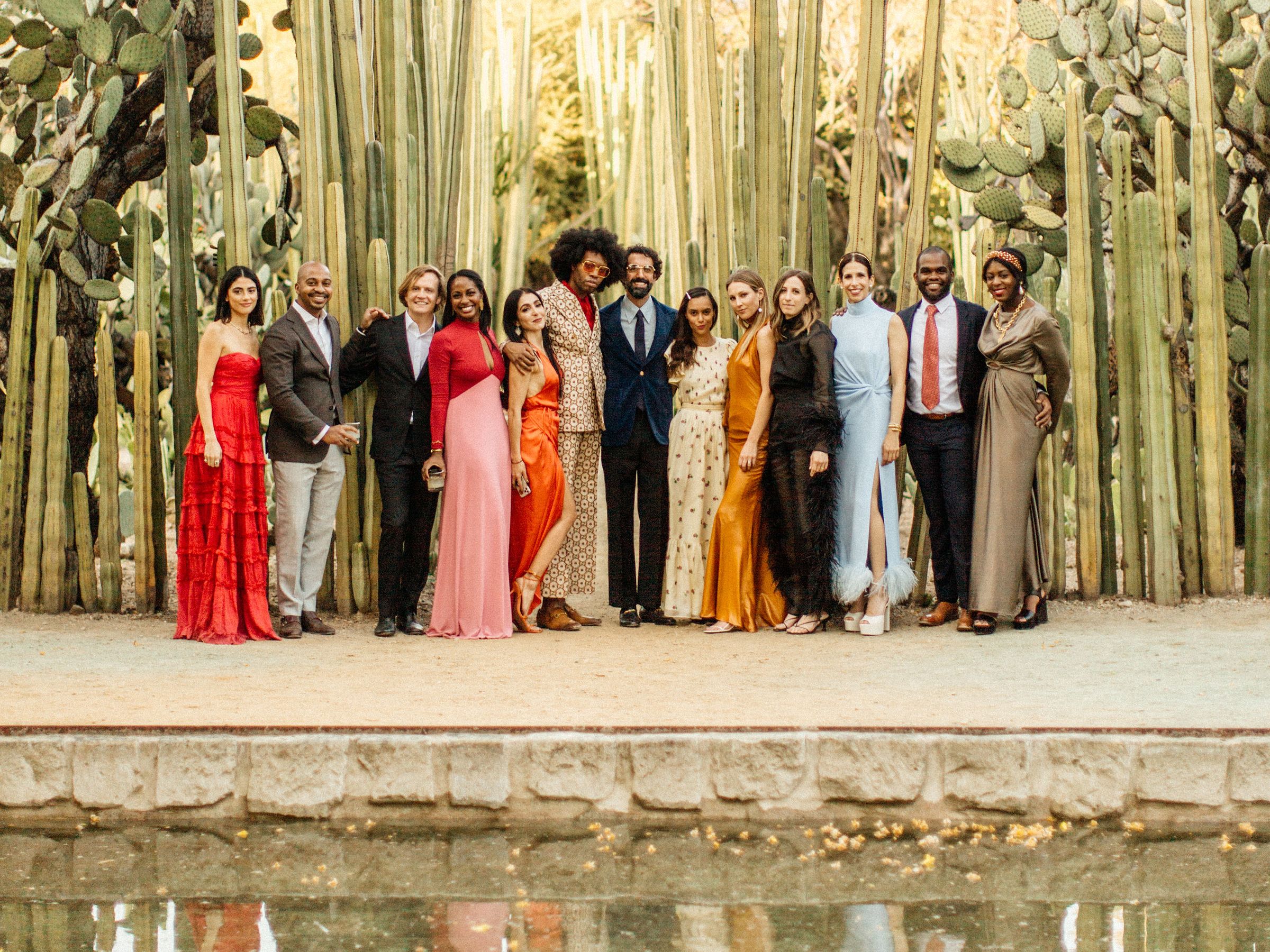
Traditional black tie has a recognisable eveningwear vocabulary: tuxedos, formal gowns, polished shoes, and refined accessories. Black tie optional retains that atmosphere but broadens the acceptable choices. A tuxedo is welcome; a dark suit with a dress shirt and tie is also appropriate. A floor-length gown is a natural option, but a sophisticated midi or cocktail dress, formal jumpsuit, or elegant coordinated separates can also fit.
The key is overall formality. Consider fabric, tailoring, finish, and styling together. A simple outfit in a beautiful evening fabric may read more formal than a highly decorated daytime outfit. Likewise, a well-pressed dark suit can look more appropriate than a casual jacket paired with mismatched trousers.
“Optional” does not mean that the entire dress code is optional. Denim, casual sundresses, athletic footwear, and relaxed office outfits generally miss the requested tone unless the hosts explicitly say otherwise.
If you prefer a suit or tuxedo
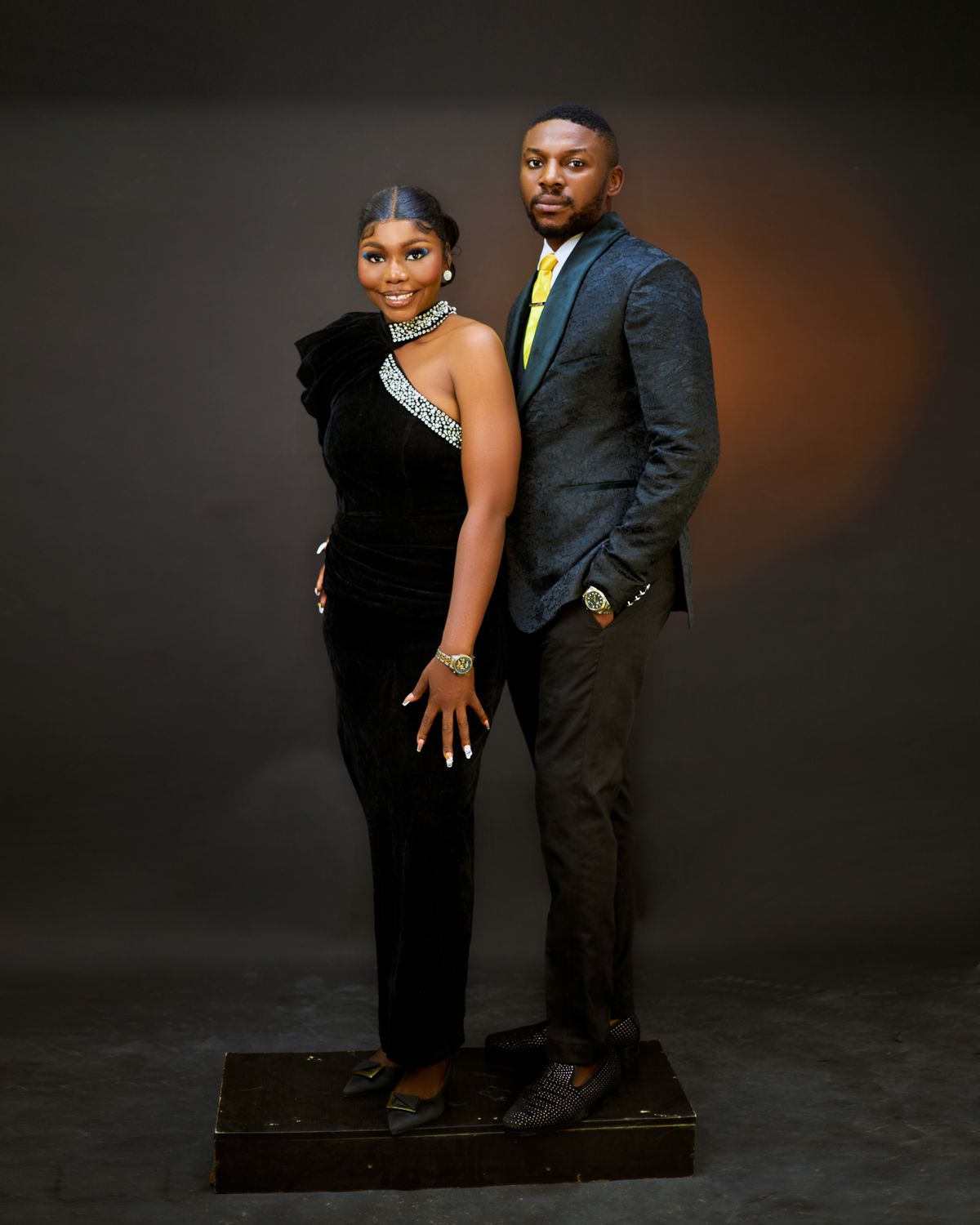
A tuxedo is the clearest traditional interpretation. A black or midnight-blue dinner jacket with matching formal trousers, an evening shirt, bow tie, and polished formal shoes gives a classic result. Keep the finishing details intentional rather than piling on novelty accessories.
A dark suit is the equally valid alternative that makes this dress code flexible. Choose black, deep navy, or charcoal, ideally with matching jacket and trousers. Add a crisp dress shirt, a tie or restrained bow tie, and clean, polished dress shoes. A coordinated waistcoat can add formality, but it is not essential.
Avoid treating the suit option as business casual. An open collar, visibly informal fabric, trainers, or a lightweight casual blazer can make an otherwise suitable outfit feel underdressed. The difference is not a single garment: it is the complete presentation.
For anyone who likes tailoring, these combinations work regardless of gender. A tuxedo-inspired suit with a silk-like blouse, a formal shirt, or an understated neckpiece can be just as deliberate as a traditional eveningwear combination.
If you prefer a dress or gown
A floor-length evening gown is the most straightforward choice. Satin, crepe, chiffon, velvet, and other fabrics with a considered finish can all work, depending on the season and setting. The design need not be heavily embellished; clean lines and one strong accessory can be enough.
A shorter dress is also possible, especially at midi or refined cocktail length. The distinction is between an evening piece and a casual daytime dress. Look for elegant construction, rich colour, drape, or subtle texture. Style it with formal shoes, a small evening bag, and a suitable outer layer.
A plain cotton day dress, beachy print, or casual jersey piece may feel out of place even when its length seems acceptable. Conversely, a restrained midi in satin or structured crepe can look perfectly at home. Let the invitation's mood guide the final decision.
Unless the hosts specifically invite it, avoid an all-white or bridal-looking ensemble. This is a conventional wedding-guest courtesy rather than a universal rule across every culture.
Jumpsuits, separates, and other gender-inclusive options
Formal dressing is not limited to a dress-versus-tuxedo choice. A tailored jumpsuit in a refined fabric can work beautifully, particularly with dressy footwear and an evening clutch. Choose a finish that reads as occasionwear rather than utility or casual daywear.
Coordinated separates can be equally effective: a flowing evening skirt with a structured top, a matching formal trouser set, or a sharply tailored jacket and trousers. Keep the pieces visually connected through colour, fabric, or proportion so the outfit feels intentional.
If your personal style crosses traditional categories, use the same standard of formality rather than forcing an unfamiliar silhouette. A velvet suit, a formal skirt-and-jacket combination, or an elegant tunic-and-trouser ensemble can all make sense when the overall effect is polished.
The best option is one that feels like your style at its most formal, while still respecting the hosts' instructions.
Colour and fabric: polished, not prescribed
Black and navy are reliable, but they are not the only options. Deep emerald, burgundy, aubergine, midnight blue, and muted metallic accents can feel equally suitable. In warmer seasons, softer tones may work when the fabric and styling remain formal.
Think about texture as much as colour. Velvet adds depth to an evening suit or dress; satin catches light; crepe provides a clean, quiet finish. Chiffon can create movement without requiring elaborate decoration. Mixing several strong textures is possible, but one focal point usually keeps the outfit coherent.
Prints are not automatically forbidden. A subtle jacquard or carefully chosen evening print can work. The question is whether the overall result looks ceremonial and refined, not whether every item is plain.
For an easy palette, start with midnight navy, deep emerald, soft champagne, burgundy, and charcoal. Choose one main colour and let accessories support it.
Cultural and religious variation matters
Black tie optional is a Western dress-code label, but weddings do not all follow Western clothing traditions. An invitation may combine it with expectations connected to a religious ceremony, a regional custom, or a specific family celebration. Do not assume that one set of rules applies everywhere.
Formal cultural attire may be entirely appropriate: for example, a richly finished saree, an elegant anarkali, a formal kurta ensemble, or other ceremonial clothing. Whether a particular outfit is suitable depends on the event and the hosts' guidance, not simply on its label.
Some places of worship request covered shoulders, a head covering, or shoes removed before entering. Other venues have no such requirements. Check the actual instructions rather than assigning a rule to an entire community. A scarf or compatible layer can be useful when the guidance calls for one.
Colour traditions also differ. A shade considered customary in one setting may have a different meaning elsewhere. Follow explicit requests and ask a designated contact when uncertain. Respectful preparation is more reliable than a universal colour ban.
Shoes that suit the entire event
Formal shoes should look finished and work with the venue. Polished Oxfords, loafers with an evening finish, elegant flats, block heels, and refined dress sandals may all be suitable depending on the outfit and setting. Heels are not a requirement for formal dressing.
Consider the route between ceremony and reception. Stone paths, lawns, stairs, and outdoor terraces can change which shoes are practical. A stable sole and secure fit matter when moving between surfaces. If the event spans multiple locations, a discreet change of shoes may be useful, provided both pairs match the dress code.
For tuxedos and dark suits, polished leather or velvet evening shoes are dependable. For dresses, jumpsuits, and separates, aim for shoes that complement the fabric and colour rather than compete with them. Avoid visibly athletic or beach-style footwear unless the invitation makes an exception.
Layers for changing venues and seasons
Evening events can move between warm interiors and cooler outdoor spaces. Plan an outer layer as part of the outfit rather than an afterthought. A tailored overcoat, dressy wrap, structured cape, or elegant jacket can preserve the formal effect while moving between venues.
For warm-weather weddings, lighter evening fabrics and breathable layers are often more practical than heavy velvet. In cooler months, velvet, wool tailoring, and substantial wraps can work well. Weather is not a reason to abandon the dress code; it is a reason to adapt the materials.
Check whether the ceremony and reception have different settings. An indoor service followed by an outdoor gathering may call for a removable layer. A formal coat or wrap can be left aside once indoors without disrupting the outfit.
Accessories: finish the look without crowding it
Accessories should make the outfit feel complete. A small clutch, a refined belt, discreet jewellery, cuff links, or a pocket square can add polish. You do not need every accessory at once.
For a minimal outfit, one distinctive detail may be enough: a satin bag, a sculptural earring, or a textured tie. For an already embellished outfit, simpler additions often work better. Keep bags compact and functional for the event's essentials.
Take a final look at the complete outfit in ordinary lighting. Check that the pieces work together, the shoes are clean, the layers feel consistent, and the outfit still looks formal when the coat comes off.
A simple decision checklist
Before leaving, ask: Does this look like eveningwear? Does it honour the invitation and any cultural instructions? Are the shoes appropriate for the venue? Is there a suitable layer if the setting changes? Have casual details been replaced with polished ones?
If all five answers are yes, you are likely in the right territory. Black tie optional should make formal dressing more adaptable, not more mysterious. The invitation supplies the level; your style supplies the interpretation.