A cocktail dress code gives you room to put together an outfit with personality. The useful question is how to make the whole look feel ready for a celebration, from the jacket you arrive in to the shoes you will wear at the end of the evening.
This guide uses the familiar Western dress-code meaning of cocktail. It is a starting point for a global readership, with the hosts' instructions taking priority. The outfit formulas below are our styling suggestions: adapt them to your own wardrobe, the venue and any ceremony requirements.
Start with the invitation
Emily Post recommends using the invitation and the wedding's timing as your first clues, while also considering the ceremony and local customs. Read the wedding website before deciding what a single dress-code phrase means for this particular event.
Make a short note of the practical details: where you will arrive, whether you will spend time outside, and whether the ceremony and reception have different instructions. If there is a colour request, write that down too.
How to wear it: Put the invitation beside a photograph of your proposed outfit. Check the complete look against the hosts' actual wording before adding accessories.
What cocktail attire means
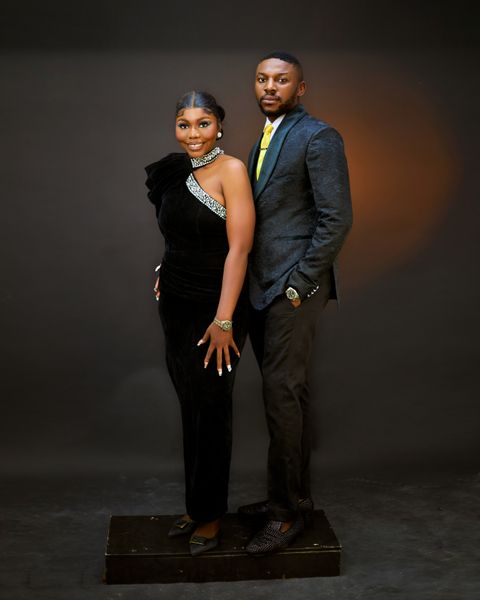
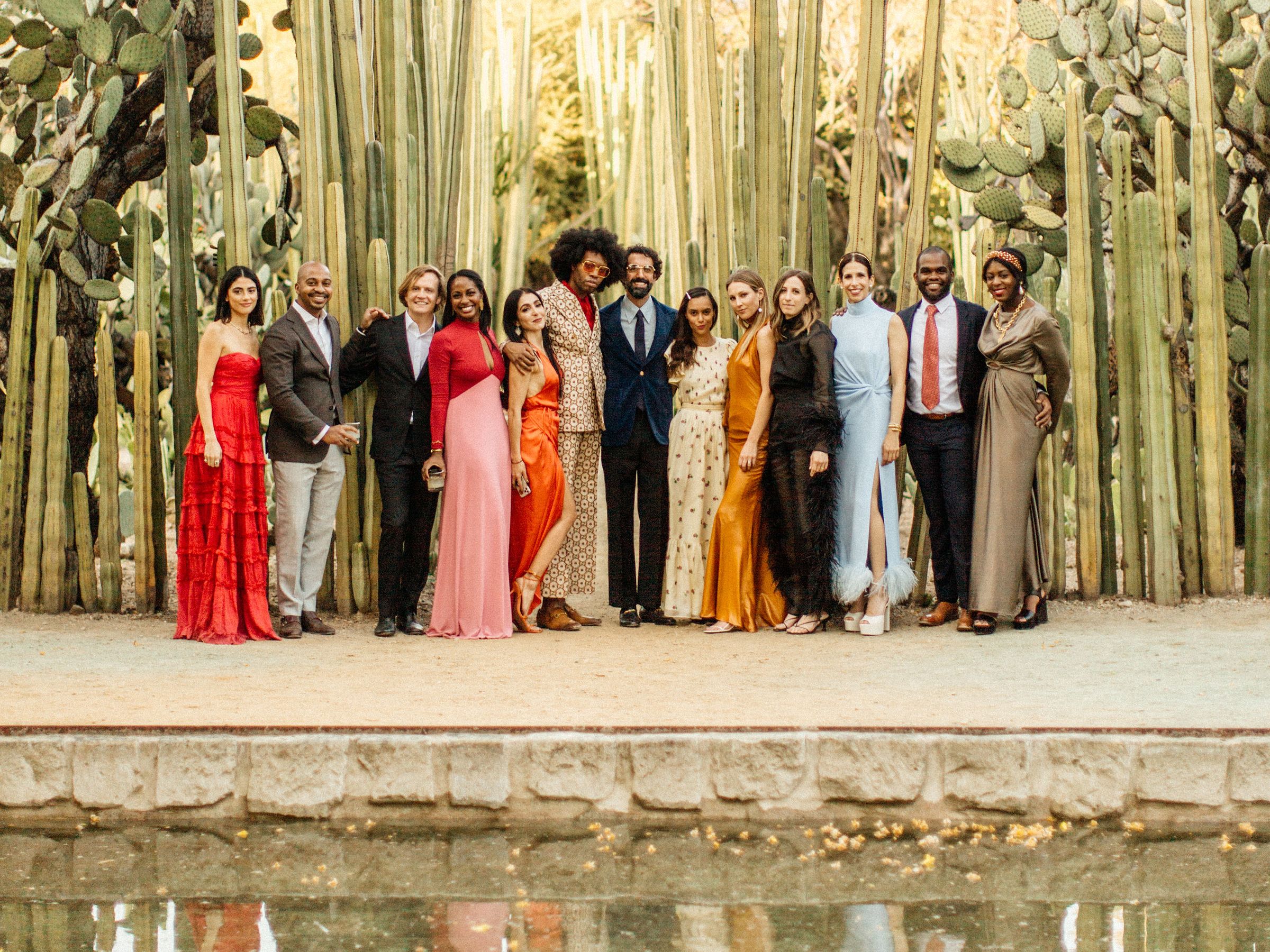
The Knot describes cocktail wedding attire as dressier than semi-formal and less formal than formal attire. Typical options include cocktail dresses, jumpsuits, suits and tailored jackets with dress trousers. A suit and tie is a dependable starting point, although expectations about ties vary.
Vogue's cocktail guide also allows elegant trousers and recommends choosing dressier tops over everyday basics. There is flexibility, but the occasion still calls for care.
How to wear it: Pick one foundation first: a dress, a jumpsuit, a suit or a trouser-and-top combination. Finish that outfit before considering a completely different option.
Dresses: look at the whole outfit
A knee-length or midi cocktail dress is a useful starting point. The Knot notes that fabric affects how dressy an outfit feels; dressy flats can work as well as heels. Length alone will not make the decision for you.
Our suggestion is to choose a dress you can style clearly with pieces you already enjoy wearing. Try a plain midi with a small textured bag, or a patterned dress with simple shoes. If you are weighing two dresses, photograph each with the actual outer layer rather than comparing them on their hangers.
How to wear it: Sit, walk and reach in the dress during your try-on. Adjust anything that needs repeated attention before making it your final choice.
Suits: make every piece part of the plan
Try navy or charcoal tailoring with a freshly prepared shirt, a tie and polished shoes. For a more colourful interpretation, our suggestion is to keep most of the outfit quiet and introduce one accent through the shirt, tie or pocket square.
Lay out your socks and belt with the suit rather than choosing them as you leave. Decide whether you prefer a coordinated set of accessories or a softer mix, then view everything together. You do not need to add a decorative detail to every part of the outfit.
How to wear it: Wear the jacket during your full try-on. Check the collar, cuffs and trouser hems in a photograph, and prepare the shirt you intend to use.
Jumpsuits and separates
The Knot includes dressy jumpsuits and pantsuits among cocktail options. Our styling suggestion is an uncomplicated jumpsuit with earrings and dressy flats, or tailored trousers with a special blouse and a coordinating jacket.
If you choose separates, place the fabrics beside each other in daylight. Decide whether the textures feel intentional together. A tonal outfit is one approach; a dark trouser with a colourful top is another. Choose the version that feels most natural to you.
How to wear it: Check the fastening on a jumpsuit before the event, and try sitting in your separates. Pack any layer you need with the outfit so it is ready to take.
Five outfit formulas to try
These are suggested combinations rather than additional dress-code rules. Use them to assemble something from your wardrobe before searching for individual items.
- Quiet colour: A forest-green midi, dressy gold flats, small earrings and a dark wrap. Try a plain bag to keep the focus on the colour.
- Classic tailoring: A navy suit, pale shirt, burgundy tie and polished lace-up shoes. Choose a pocket square only if you enjoy wearing one.
- Evening separates: Black tailored trousers, a berry occasion blouse, a coordinating jacket and dressy flats. Add one piece of jewellery you already like.
- One-piece dressing: A deep-blue jumpsuit, a compact bag and simple metallic shoes. Try the outfit with and without a necklace before deciding.
- Print as the focus: A patterned cocktail dress, plain shoes and a solid-colour layer. Pull one colour from the print for the bag.
How to wear it: Choose the formula closest to what you own. Change one part at a time rather than rebuilding the whole outfit around a new accessory.
Dress for the setting
The Knot recommends considering location, time and season. Those details help you decide which interpretation of cocktail is appropriate. Vogue's wedding dress-code guide also distinguishes lighter daytime styling from richer evening combinations.
Our practical suggestion is to make a small route plan. Think about the walk from transport, any outdoor gathering and the move into the reception. Select a coat or wrap you are happy to wear in photographs, and decide where you will keep it when you no longer need it.
How to wear it: Check the forecast close to departure. Try the outfit with your intended layer and bag, including anything you plan to carry.
Give shoes a proper try-on
Choose footwear for the surfaces and time on your feet. Our suggestion is to walk around at home in the full outfit and include stairs if you expect them at the venue. If the shoes require a different trouser hem or change how a dress moves, discover that during the try-on.
For an outdoor celebration, consider whether your chosen footwear suits the ground described by the hosts. If you want to bring a second pair, choose it deliberately and check that it works with the outfit too.
How to wear it: Clean your shoes in advance, check their condition and put them beside the outfit. Include any spare pair in your packing list.
Colours, accessories and ceremony instructions
There is no single palette that suits every wedding. Use any specific colour guidance from the hosts before following a general styling suggestion. For ceremony requirements, Emily Post points to considerations such as head coverings and the appropriateness of exposed shoulders or open-toed shoes.
Our accessory suggestion is to start with one focal point and review the look before adding more. If you prefer a bright bag, try simpler jewellery. If earrings are your favourite detail, give them space. Choose a bag that holds what you actually need.
How to wear it: Make a checklist of any requested covering or footwear adjustment. Keep these items with the outfit rather than relying on a reminder on the day.
Prepare the outfit you already have
Start your final edit with a full try-on rather than a shopping list. Check for missing buttons, loose hems and anything that needs cleaning. Try a different shirt or accessory if you want a familiar outfit to feel fresh.
If something is missing, name that exact item before browsing. You can use our wedding outfit planner to organise your choices. If your invitation actually says black tie optional, read our separate guide before settling on this level of formality.
How to wear it: Photograph the finished outfit and save the image with your travel details. Pack from that photograph so small items do not get overlooked.
If you're unsure
Ask the designated wedding contact a specific question: whether a suit without a tie suits the setting, whether your proposed dress fits the requested formality, or whether the ceremony requires a covering. A concrete question is easier to answer than a broad request for clothing advice.
Our final suggestion is to stop editing once you have checked the invitation, prepared the garments and tested the complete outfit. Keep the photograph of your chosen look, gather the accessories and give yourself time to get ready.
How to wear it: Confirm the uncertain detail, make any needed adjustment, and set the full outfit aside together.