A Persian wedding is elegant, warm and full of symbolism. There's a beautifully laid ceremonial spread, family members taking part in the rituals, sweets for everyone, and very often a long night of dancing. Guests dress to match.
The short rule: dress up
A wedding is a major milestone, and Persian weddings are traditionally very dressy. Pleasantdale's planning guide describes the dress code as traditionally very formal. Individual couples differ, so the invitation comes first: if it says black tie, wear black tie; if it says cocktail, don't arrive in a floor-length gown.
When there's no dress code, lean formal rather than casual. It's much easier to feel comfortable in a slightly dressy outfit than in something too relaxed.
Two parts: the aghd and the aroosi
A traditional Persian wedding has two parts:
- The aghd, the ceremony, held around the sofreh aghd.
- The aroosi, the celebration afterwards, with food, music and dancing.
They are sometimes held on the same day and sometimes weeks or months apart. Some guests wear one outfit to both; others wear something softer to the ceremony and change into something more glamorous for the party.
What happens at the sofreh aghd
The sofreh aghd is a ceremonial spread laid on the floor or a low table. According to Wikipedia's article on Iranian weddings, it can include a mirror with candelabras, herbs and spices, sweets and pastries, a blessed bread, decorated eggs, nuts, pomegranates and apples, gold or silver coins and a holy book.
During the ceremony, a fine cloth is held over the couple by unmarried female relatives, and a happily married female relative grinds two sugar cones together above it. Sweets and bread are shared with guests afterwards.
Because so much happens at floor level and the couple sit facing the mirror, guests usually gather around closely. Choose an outfit you can stand, sit and move in comfortably.
What women can wear to the aghd
- A midi or knee-length dress in a rich or soft colour.
- A long, flowing dress that isn't too evening-like for daytime.
- A tailored suit or dressy trousers with a silk top.
- Covered shoulders if the ceremony is in a religious setting or the family is traditional; a wrap solves this easily.
How to wear it: keep the jewellery elegant and the neckline moderate for the ceremony, then add statement earrings or a bold lip for the party.
What women can wear to the reception
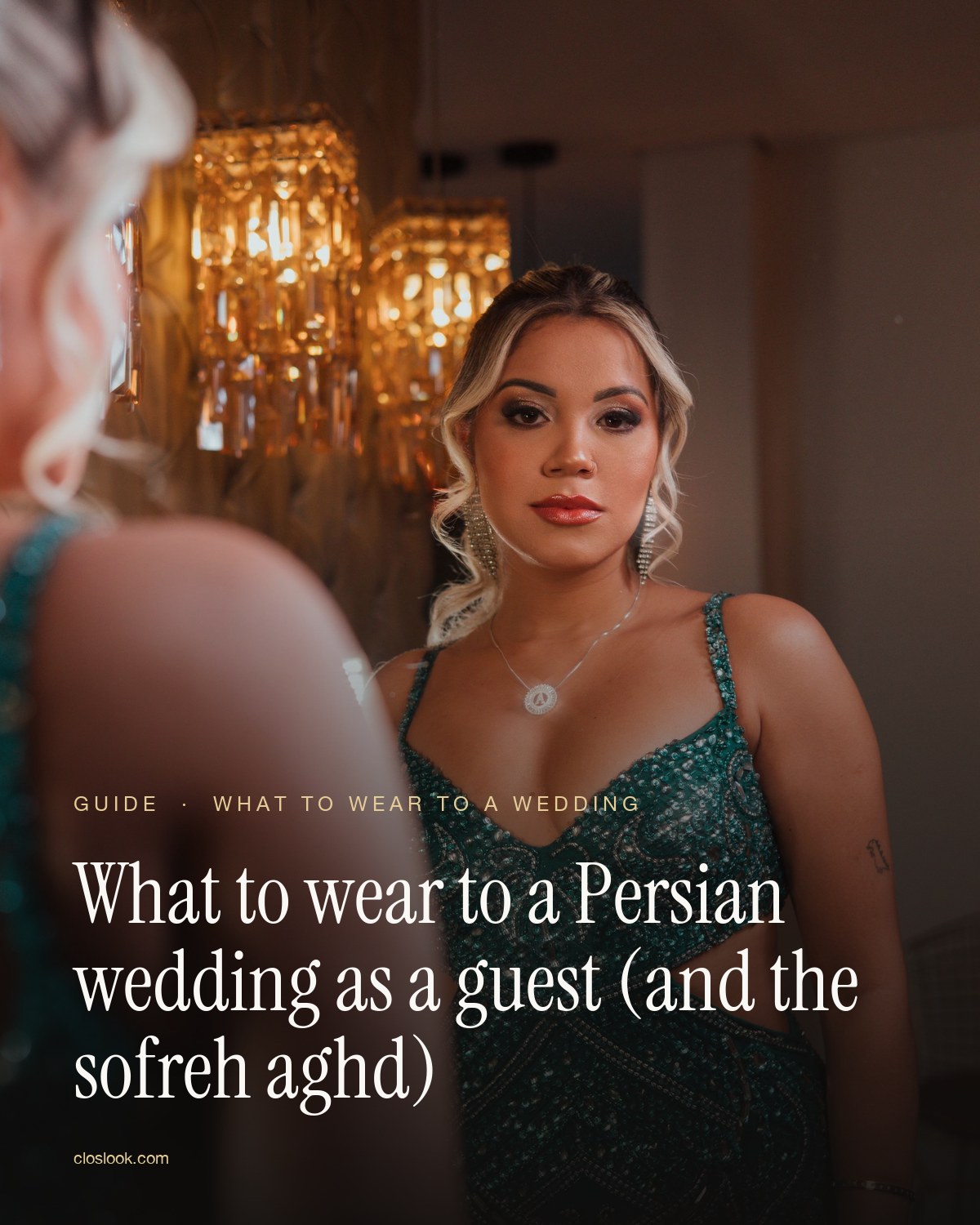
This is the moment for glamour. Sequins, satin, velvet and jewel tones all feel at home. Consider:
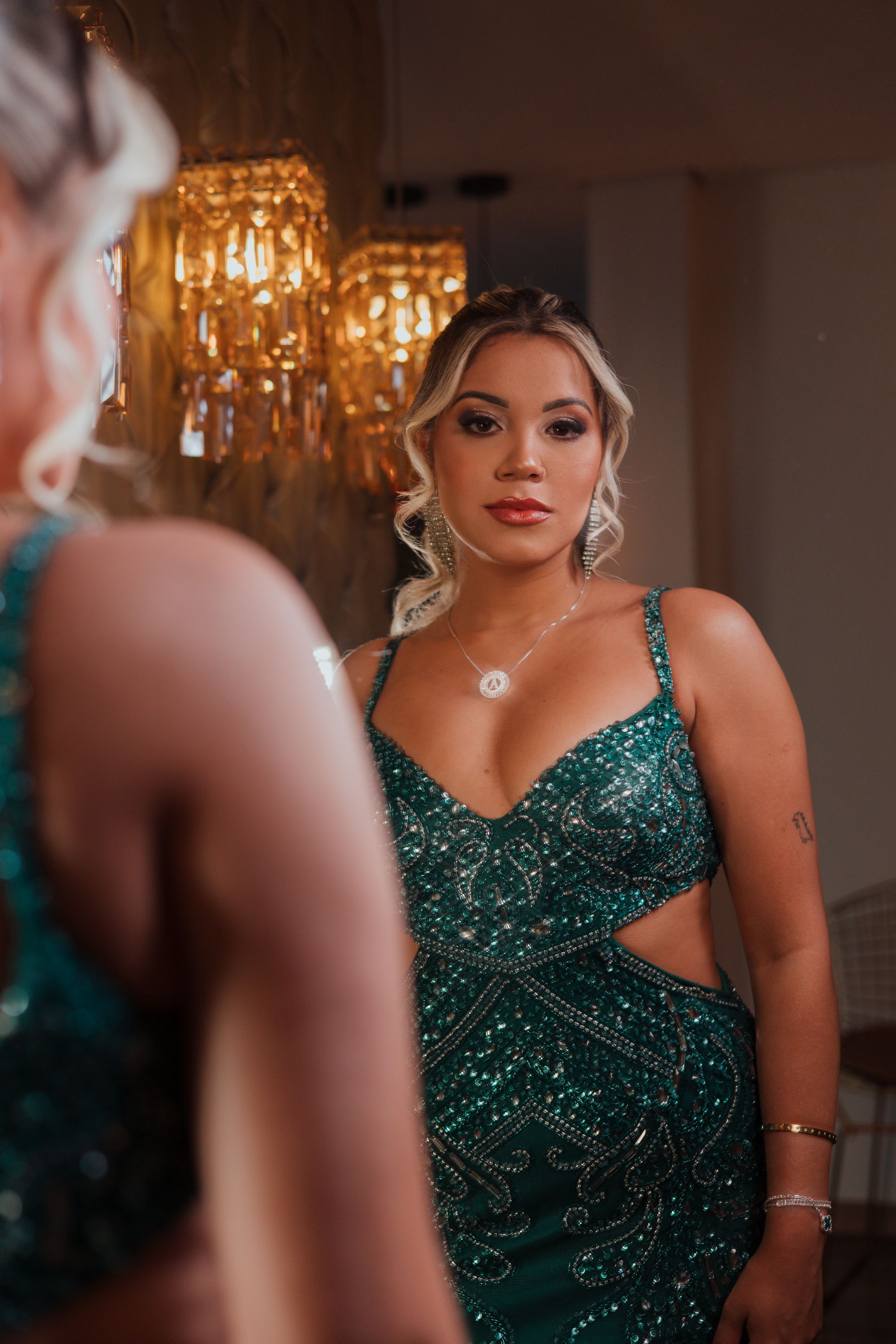
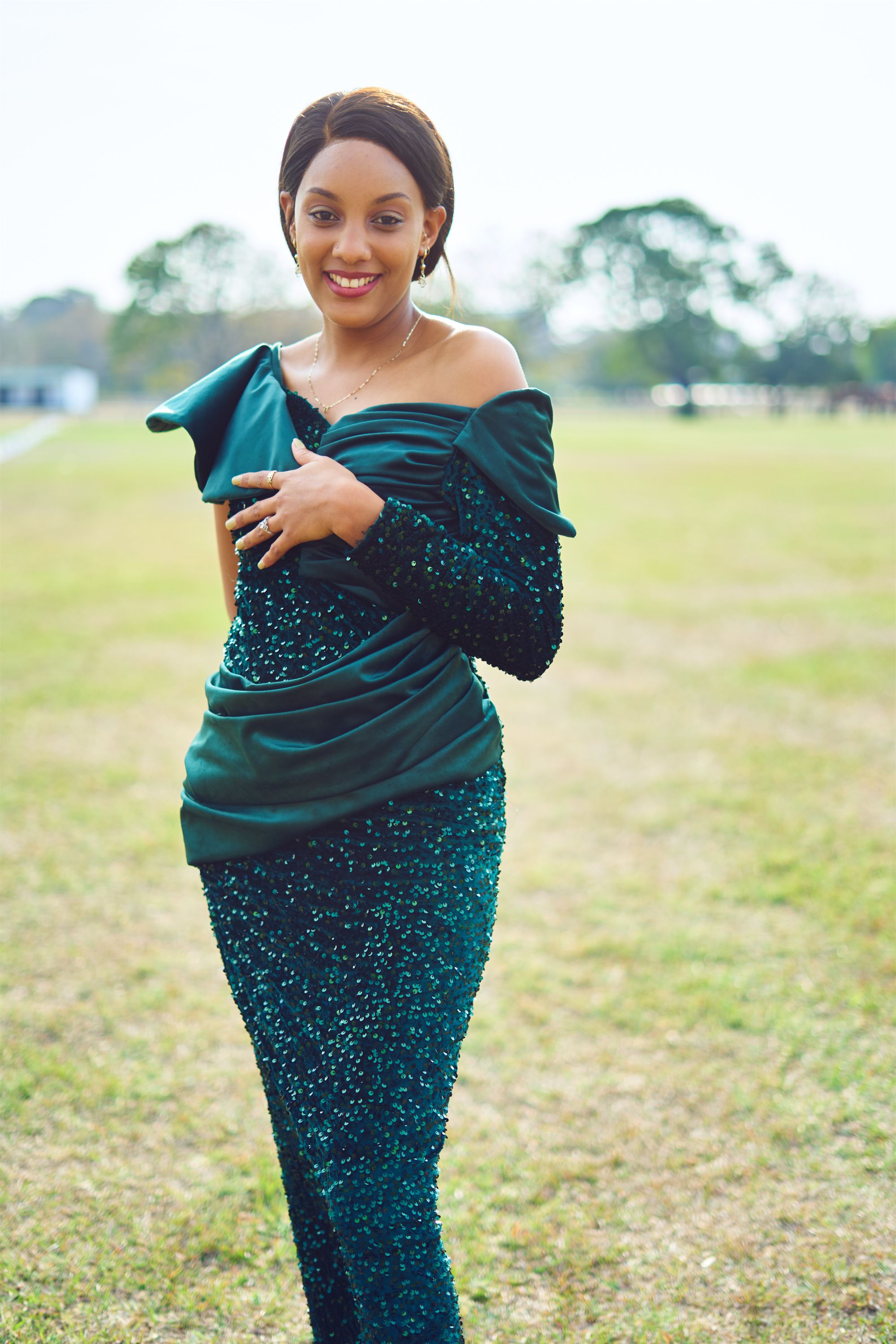
- A fitted or draped gown in emerald, sapphire, ruby or plum.
- A sequinned cocktail dress.
- A one-shoulder or off-shoulder style.
- A dramatic jumpsuit.
A gown with a slit or an open back suits an evening party, provided it fits the couple's style and family. If you know the wedding is traditional, keep the cut more covered.
What men can wear
A dark suit with a shirt and tie is the dependable choice. For a black tie reception, wear a tuxedo. A navy or charcoal suit with a crisp white shirt works for both the aghd and the aroosi. Keep shoes polished and comfortable.
Colours to avoid
- White, cream and ivory: leave these to the bride unless the couple ask for them.
- Anything that copies the bride's look: check with the couple if they've shared a colour scheme.
- Very casual fabrics: denim, jersey loungewear and sportswear look out of place.
If you know the families are in mourning or very traditional, ask before wearing all black.
Dress for the dancing
Persian celebrations often run late and the dance floor fills up. One couple's wedding FAQ encouraged guests to bring dancing shoes, which is good advice for any Persian wedding.
- Wear heels you can dance in, or bring a flat pair to change into.
- Pick a fabric that doesn't trap heat.
- Choose a dress you can raise your arms in.
- Carry a small bag you can leave at your seat.
Winter and summer
For a winter wedding, velvet, long sleeves and deep tones look beautiful. For summer or garden weddings, choose chiffon, silk or a lighter satin in brighter shades. Bring a wrap for air-conditioned halls and cool evenings.
Weddings outside Iran
Persian weddings abroad often take place in hotels, gardens or banquet halls and may combine Iranian and local customs. The same approach works: follow the invitation, dress formally, skip white and be ready to dance. If the couple are having a separate civil or religious ceremony, ask whether it has its own dress code.
Before the day: a quick checklist
- Read the invitation and wedding website.
- Check whether the aghd and aroosi are the same day.
- Try your outfit while sitting and dancing.
- Pack a wrap and spare shoes.
- Ask the couple if you're unsure about family customs.
Choosing your colour
Rich shades photograph beautifully against the mirror, candles and sweets of the sofreh. Emerald, sapphire, burgundy, plum and gold are all strong choices for an evening reception. For the ceremony, consider softer versions: dusty blue, sage, blush or lavender. Metallics such as bronze and champagne can work, but very pale champagne may read as ivory in photos, so check it in daylight first.
How to wear it: pick one main colour, then add gold or silver jewellery and a clutch in a matching or neutral tone.
Fit and comfort
Guests may greet many relatives, stand for photographs, sit through a long dinner and then dance for hours. Before you commit to an outfit:
- Sit down in it and check the neckline and hem.
- Raise your arms, as you will on the dance floor.
- Walk in your shoes for at least a few minutes.
- Check that straps stay in place.
A good tailor can fix a hem or strap quickly, and it makes a bigger difference than an expensive label.
Hair, makeup and accessories
An evening Persian wedding suits polished styling: glossy waves, a sleek bun, statement earrings or a bold lip. Keep it comfortable enough to last the night. A small bag holds lipstick, tissues and a phone, and a wrap helps during the ceremony or outdoors.
Sample outfits
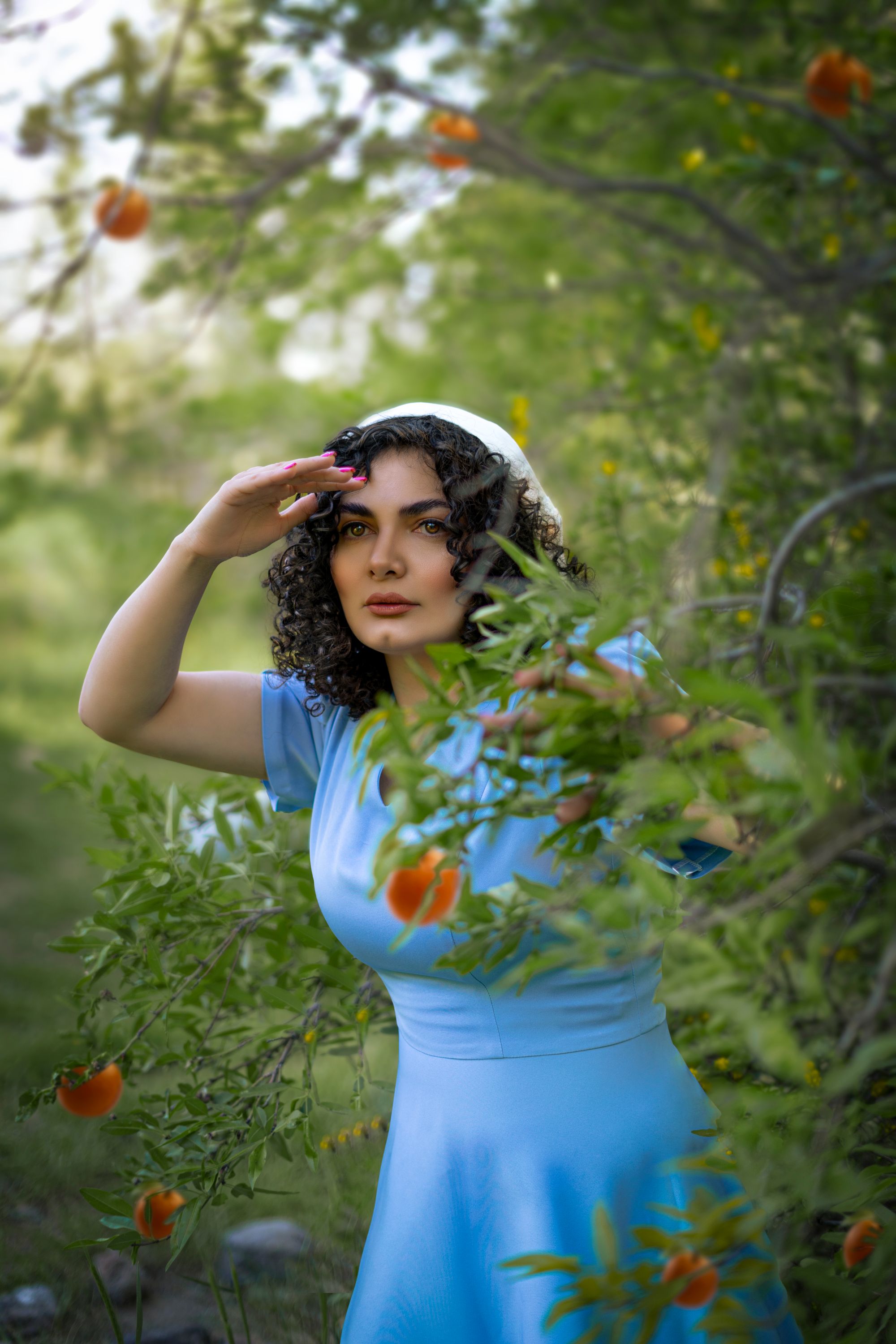
- Aghd, daytime: a dusty blue midi, nude heels and pearl earrings.
- Reception, evening: an emerald sequin gown, gold earrings and a small clutch.
- Winter: a burgundy velvet dress with long sleeves.
- Men, aghd: a charcoal suit, white shirt and a muted tie.
- Men, reception: a black tuxedo if the invitation asks for black tie.
Guest manners that matter
Arrive on time for the ceremony, because it is the part most people don't want interrupted. Keep your phone away during the rituals unless the couple welcome photos. Give older relatives a warm greeting, and follow the lead of family members about where to stand.
The short version
Dress formally. Wear an elegant dress or a dark suit for the aghd, and something more glamorous for the reception. Avoid white and ivory, cover up if the family or venue is traditional, and wear shoes you can dance in.
Still deciding? Try Help me choose, or read about black tie optional.