The Sikh wedding ceremony is called Anand Karaj, which Wikipedia translates as "act towards happiness". It takes place in the presence of the Guru Granth Sahib, usually in a gurdwara, and it asks guests to dress respectfully.
The essentials
1. Cover your head inside the gurdwara. 2. Remove your shoes before entering the prayer hall. 3. Dress modestly, with shoulders and legs covered. 4. Be ready to sit on the floor.
How to wear it: carry a scarf even if you plan to wear a hat elsewhere; hats aren't the usual covering.
What women can wear
- A salwar suit or Punjabi suit, an anarkali, a lehenga or a saree.
- A long Western dress or smart trousers with a modest top.
- A dupatta, chunni or scarf for your head.
- Sleeves and a covered back.
Traditional outfits are widely worn, but many weddings don't expect guests to wear them. Choose loose, comfortable shapes that suit floor seating.
What men can wear
- A kurta pyjama or sherwani-style outfit.
- A suit or smart shirt and trousers.
- A head covering: often provided, or bring a large white handkerchief.
Make sure socks are clean and without holes; they may be on show.
Colours
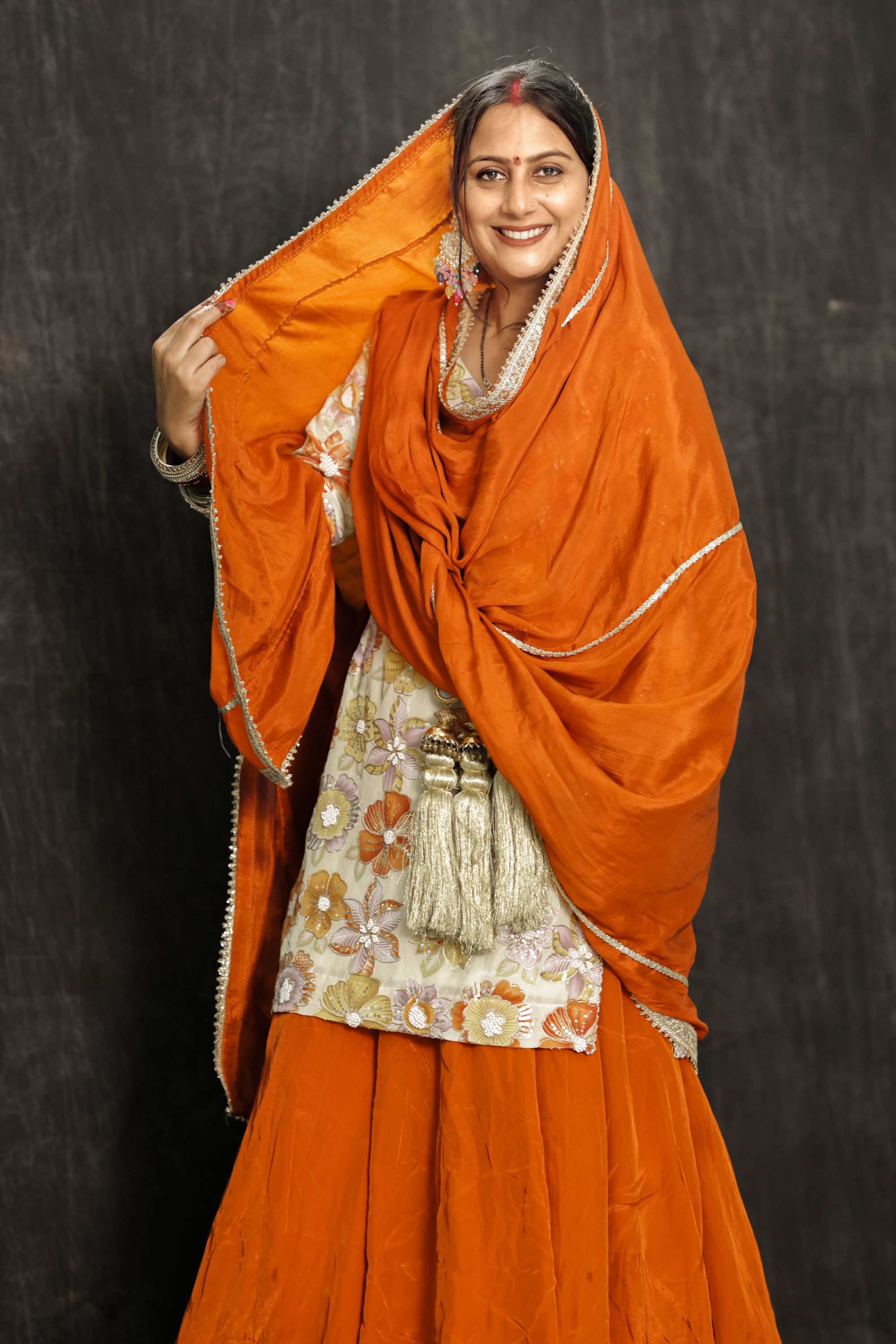
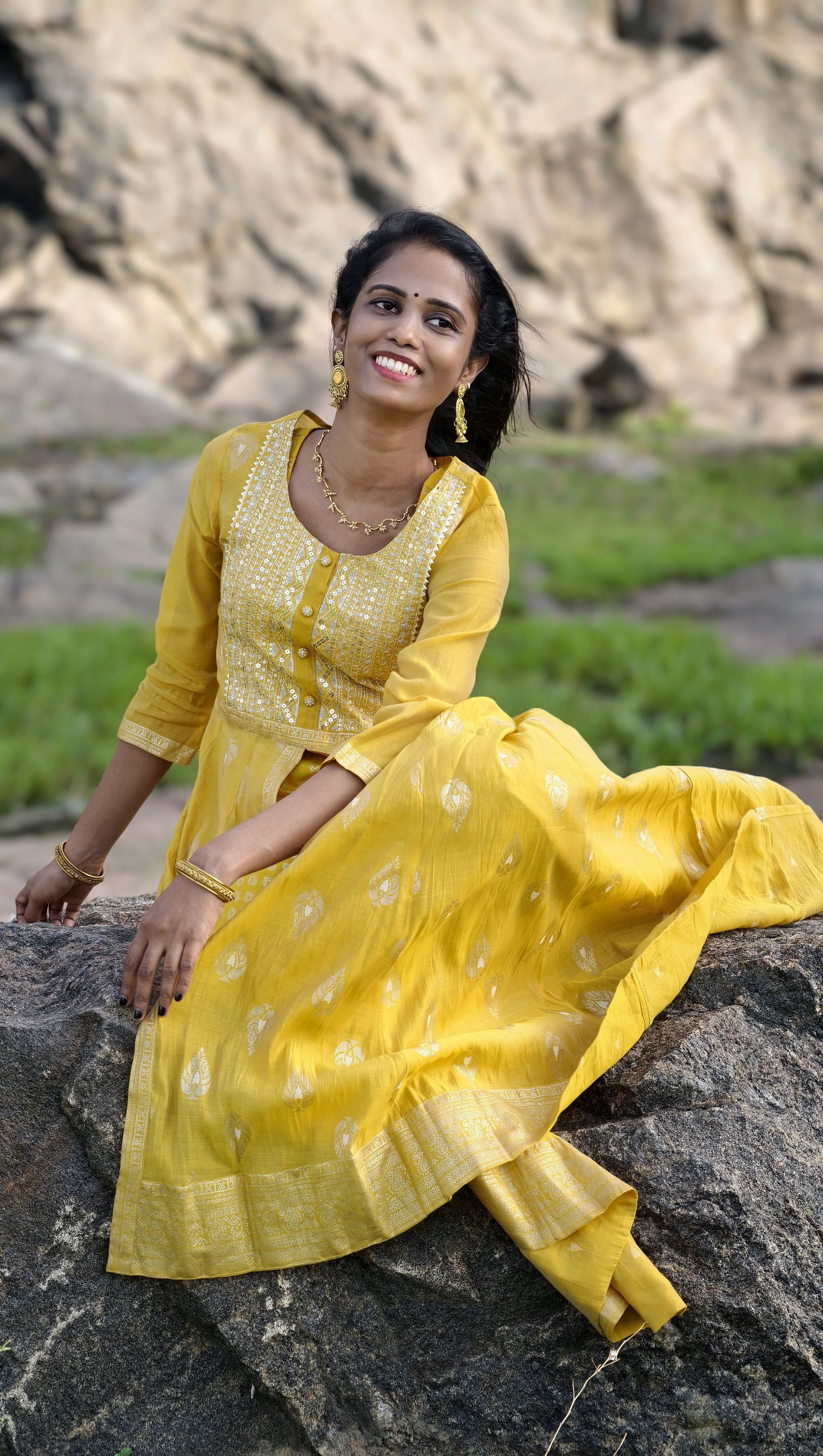
Bright colours such as blue, orange, brown and green are favoured. Avoid white, very dark shades and bright red, which is associated with the bride. Jewel tones and soft golds are lovely options. Follow any colour theme the family sets.
At the gurdwara
- Arrive on time and follow the lead of others.
- Remove shoes and place them in the designated area.
- Cover your head before entering the hall.
- Sit on the floor; if you have difficulty, ask about chairs at the side or back.
- Expect to stand and sit several times.
- Silence your phone and ask before taking photos.
The ceremony
The couple circle the Guru Granth Sahib four times as the four lavaan, hymns composed by Guru Ram Das, are sung and read. The ceremony itself usually lasts less than an hour, though the full programme can take three to four hours. Guests may share langar, a community vegetarian meal served at the gurdwara.
Before and after
Families may welcome the groom's procession (baraat) and hold a formal greeting between relatives (milni). Later there is often a reception, which can include a meal with vegetarian and other dishes, bhangra dancing and playful traditions such as hiding the groom's shoes. Alcohol may or may not be served, depending on the family.
Changing for the reception
Many guests wear a comfortable, modest outfit to the gurdwara and a glamorous one to the reception: a sequinned lehenga, a gown or a sharp suit. Receptions are usually held elsewhere and are often dressier.
Fabrics and comfort
Choose breathable fabric, avoid very tight skirts that make floor seating awkward and pick trousers with some give. A dupatta that is pinned securely won't slide off your head.
Season
In summer, light cotton and chiffon are comfortable. In winter, a warm shawl and layers help, since you'll be walking in socks between spaces.
Sample outfits
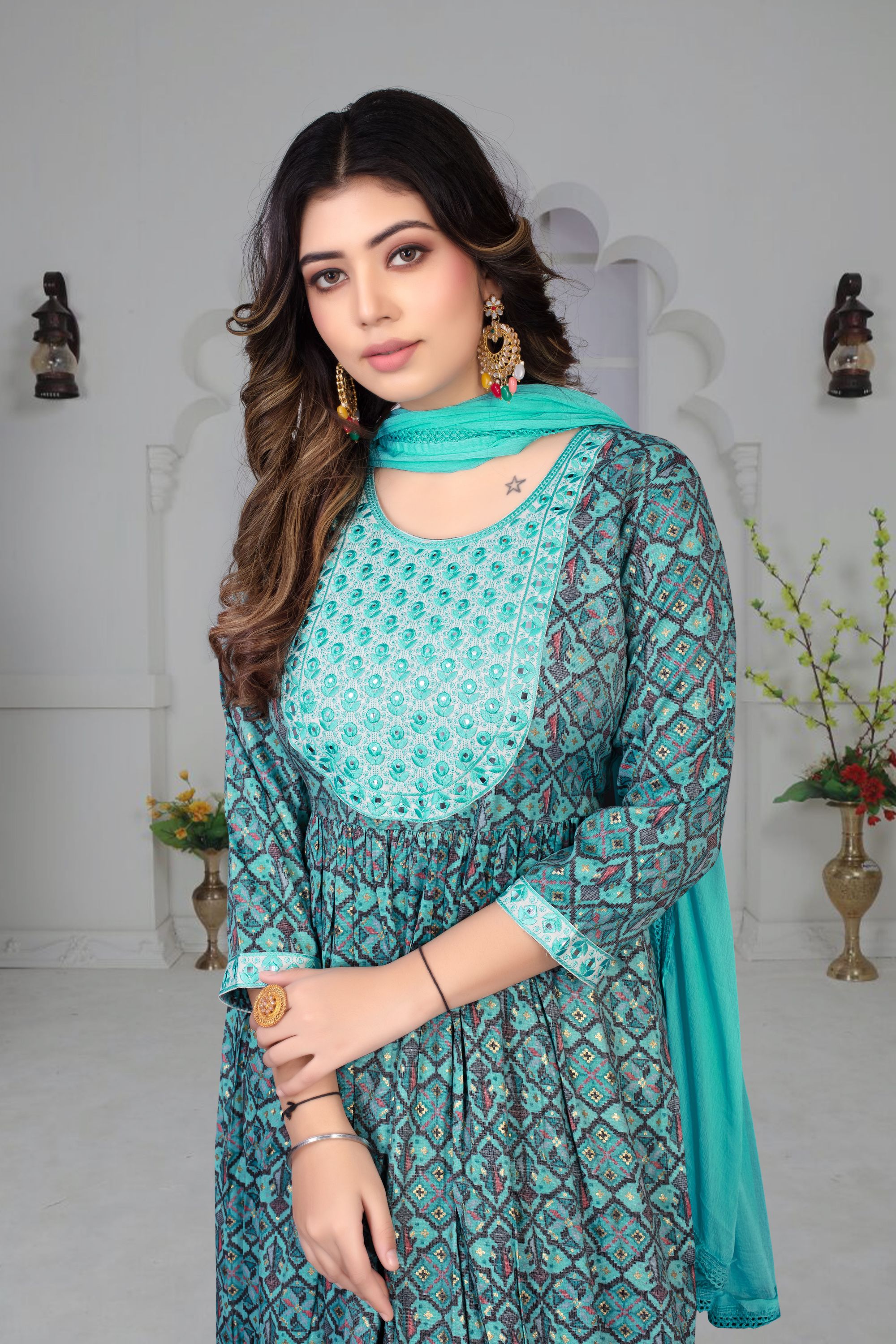
- Ceremony: a turquoise anarkali with a matching dupatta.
- Ceremony, Western: a long green dress with a silk scarf.
- Reception: a royal blue lehenga and statement earrings.
- Man: a cream-toned kurta with a coloured waistcoat, or a suit.
Gifts
Cash gifts or items from the couple's list are common; ask a family member what's usual.
Bringing children
Dress children comfortably, with clean socks and a small head covering. Explain beforehand that they'll need to sit quietly on the floor, and bring a spare scarf.
Common mistakes
- Forgetting a head covering.
- Wearing shoes that are hard to remove.
- Short or very tight clothes.
- White or bright red.
- Bringing tobacco or alcohol into a religious space.
Quick checklist
- Scarf or handkerchief packed.
- Slip-on shoes.
- Clean socks.
- Outfit tested for floor sitting.
Planning two looks
Because the gurdwara ceremony and the reception have different moods, plan both. For the morning ceremony choose modest, comfortable clothes in a soft or bright colour. For the evening choose richer fabric, sparkle and a bold accessory. If you only have time for one, a modest outfit that dresses up with jewellery works.
Securing the head covering
A slippery scarf is the most common problem. Fold it so there's weight at the front, pin it to your hair with two or three small pins, and check that it stays when you bow your head. Cotton and georgette slip less than satin. Men who use a handkerchief can knot the corners so it sits securely.
Sitting comfortably
Floor seating for an hour is tiring if you're unused to it. Choose a skirt or trousers with room to cross your legs, avoid stiff belts, and sit where you can shift position quietly. If you have a knee or back condition, ask a family member where chairs are.
Footwear and socks
Slip-on flats or loafers save time at the door. Wear clean socks or be ready to go barefoot. Keep a spare pair in your bag if you're walking in wet weather.
Jewellery and beauty
Bangles, jhumka earrings and a bindi can be lovely additions if you wear them. Avoid jangling items that distract during hymns. Keep makeup soft for daytime and bolder for the reception.
What men wear in detail
A kurta in a rich colour with a waistcoat looks festive. A suit is common and perfectly fine, ideally with a tie matching the family theme if there is one. Turbans are worn by many Sikh men; guests do not need to wear one.
Etiquette in the gurdwara
Follow others when bowing or making an offering; it's fine to simply sit quietly if you're unsure. Don't sit with your feet pointing toward the Guru Granth Sahib. Don't bring tobacco or alcohol. Accept langar with thanks, taking only what you can eat.
Children and older relatives
Pack a spare head covering for children. Older guests may appreciate seats near the back. Allow extra time to remove and find shoes.
Reception style
Bhangra dancing is energetic, so choose shoes you can move in and a lehenga or skirt that won't trip you. A light cover-up is useful in cool halls.
Colour ideas by role
Close family often wear coordinated colours. Friends can choose any bright shade that doesn't copy the wedding party. Ask a family member about a theme before ordering clothes.
The night before
Try the full outfit with the head covering pinned in place, then sit cross-legged to check nothing pulls. Pack the scarf, spare pins and socks, and check the gurdwara's address and start time. Plan to arrive early enough to remove shoes calmly and find a seat before the hymns begin.
If you're unsure
Ask the couple or the gurdwara. Hosts are usually happy to explain.
The short version
Cover your head, take off your shoes, dress modestly in bright colours and be ready to sit on the floor.
Still deciding? Try our lehenga colour finder or Help me choose.