A Ghanaian wedding is a celebration of family, colour and cloth. Many couples hold two events: a traditional wedding, often called the engagement, where the families come together in rich cultural dress, and a white wedding, a church or Western-style ceremony. Wedding season in Ghana runs almost all year, UNDC notes, and the same question comes up every time: what should a guest wear?
The answer depends on which event you're attending, and on the family's wishes. Some families set a colour or fabric for guests; others simply hope everyone comes dressed to celebrate. Here's how to dress for each event.
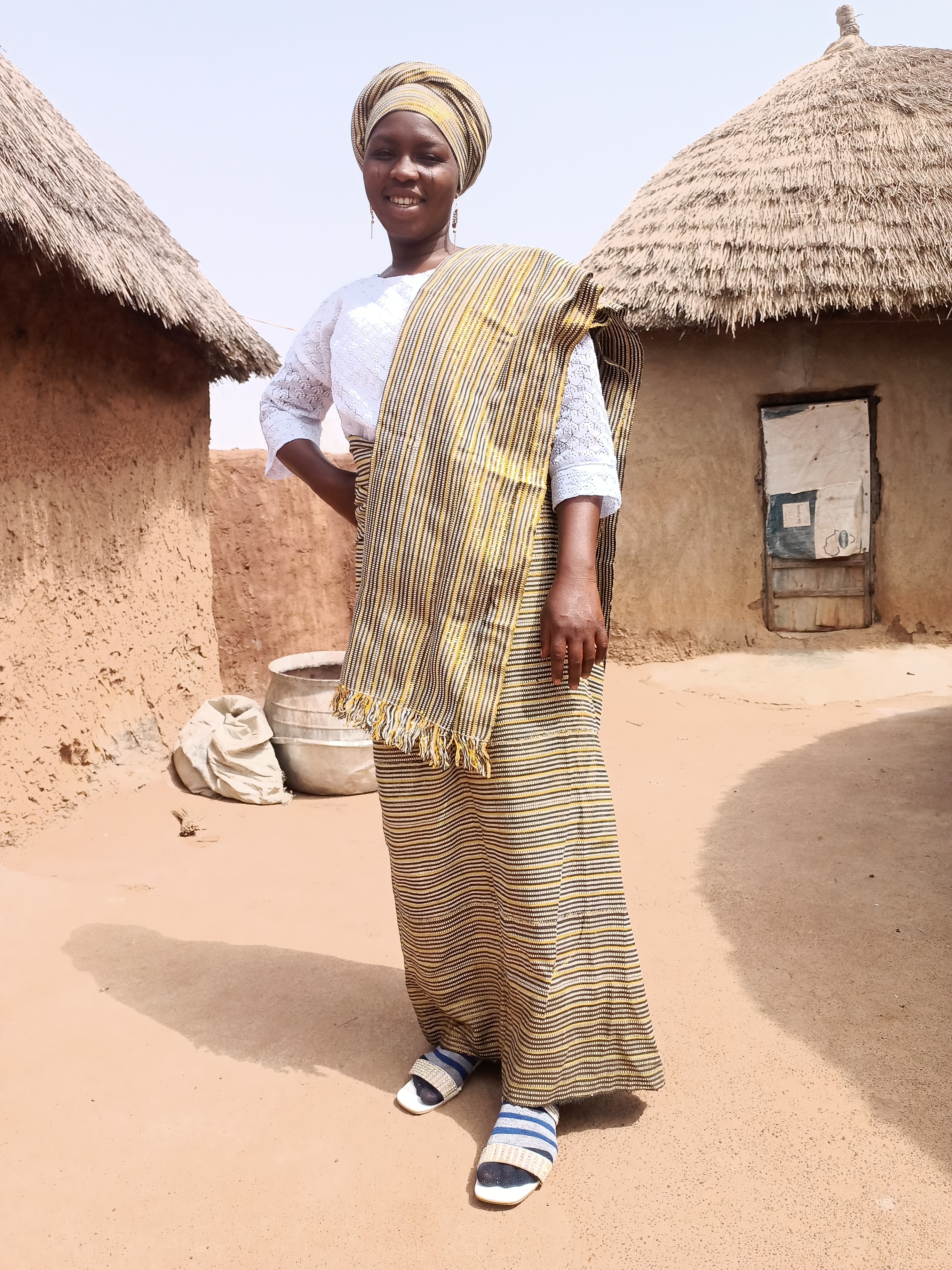
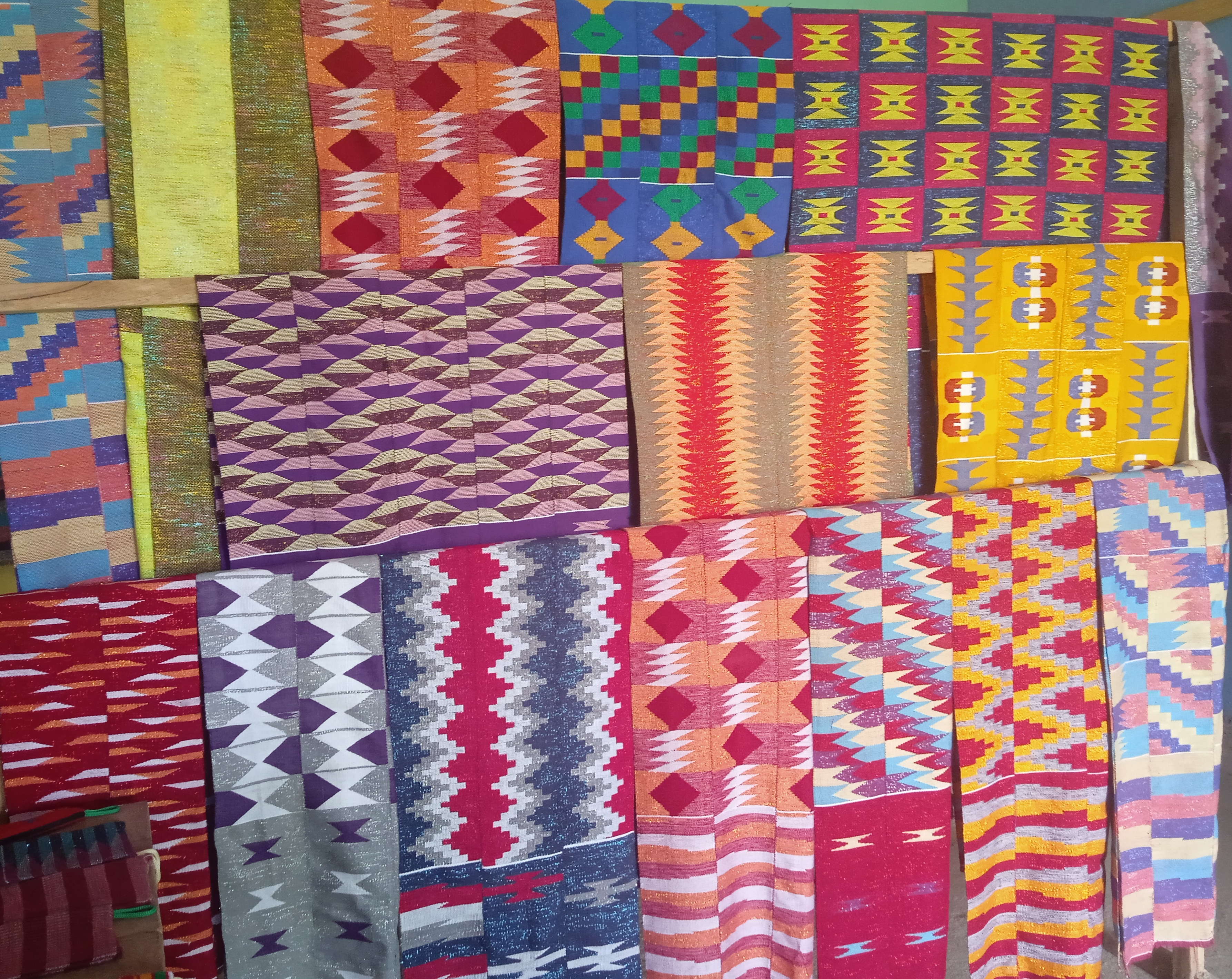
Kente: Ghana's celebration cloth
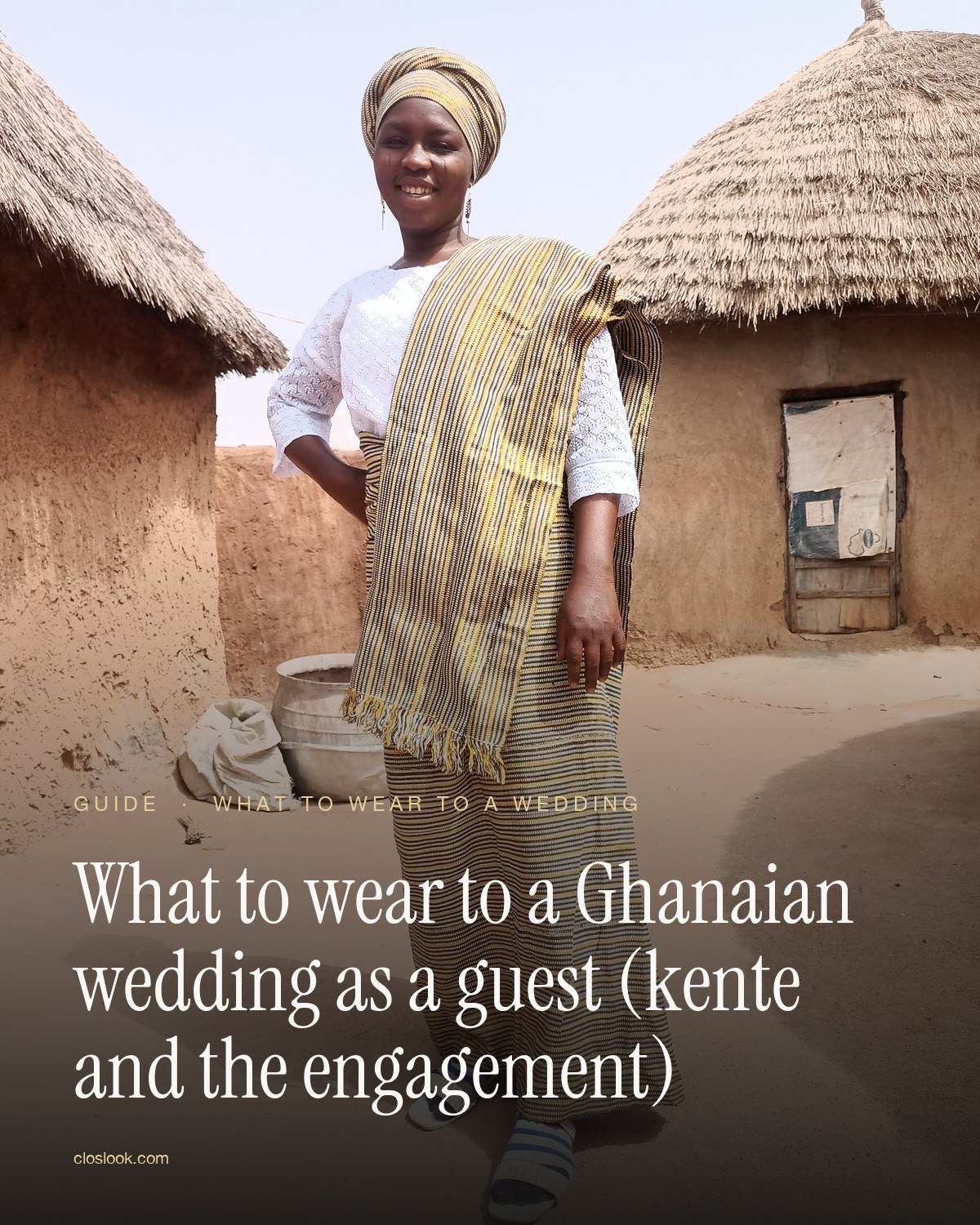
Kente is a Ghanaian textile made from hand-woven strips of silk and cotton, Wikipedia explains. It was traditionally worn wrapped like a toga among the Asante, Akan and Ewe peoples, and today it's widely worn to mark special occasions. Each pattern and colour can carry meaning, and handwoven kente from master weavers is highly prized. Printed fabrics with kente patterns are also common across West Africa.
At a wedding, kente often dresses the couple and their families, which is why guests should style it thoughtfully.
The traditional wedding (engagement)
This is the cultural heart of a Ghanaian wedding, where the families meet, gifts are presented and the marriage is agreed. UNDC says kente, print and cultural dress are the default.
Follow the colour code. If the invitation gives a colour or fabric, follow it exactly, UNDC advises. Many families choose a shared colour for guests.
Don't match the couple. Vibe Theory says guests don't need to match the bridal party unless asked, and the safest approach is an outfit that feels celebratory but distinct from the couple's styling. If the bride, groom or family groups are in coordinated kente, choose something different.
Wear kente thoughtfully. Instead of a ceremonial head-to-toe look, Vibe Theory suggests bringing kente in through a shirt, a dress panel, a skirt or a tailored detail.
Guests from outside Ghana: UNDC suggests leaning towards print. A tailored piece in Ghanaian cloth shows respect without overreaching.
What women can wear
Vibe Theory's ideas:
- Midi and maxi dresses: among the easiest choices. A fitted midi looks polished; a flowing maxi offers movement.
- African print dresses: a structured Ankara midi, a wrap dress or a flowing print gown suits the festive mood.
- Statement details: puff sleeves, sculpted necklines, asymmetric hems or a defined waist, as long as the dress doesn't compete with the bride.
- Two-piece looks and peplum styles: elegant and easy to wear.
- Kaba and slit: the classic Ghanaian fitted blouse and skirt, often in kente or print, is a beautiful choice.
Comfort matters. Traditional weddings can last several hours, with sitting, greeting family, photographs and moving between parts of the celebration. Vibe Theory warns that an outfit that constantly needs adjusting quickly becomes frustrating.
What men can wear
- A kente or print shirt with tailored trousers: Vibe Theory calls a well-fitted kente shirt a strong option. Black, navy, cream or beige trousers balance a colourful shirt.
- An African-inspired suit for a more formal celebration, ideally with clean tailoring and not too many competing patterns. A jacket with subtle African fabric details can look more modern than a fully patterned suit.
- Shoes: leather loafers, derbies or other clean dress shoes. Avoid sporty footwear unless the event is very relaxed.
- Keep it balanced: if the shirt is bold, keep shoes and accessories understated.
The white wedding
The white wedding is usually a church or Western-style ceremony and reception. UNDC suggests Western silhouettes in an elevated, considered style.
- Women: a formal or semi-formal dress, a smart top with a maxi skirt or wide-leg trousers, or a jumpsuit.
- Men: a suit, or tailored trousers with a smart shirt and leather shoes.
- The reception: slightly more relaxed than the ceremony, but still elevated. UNDC suggests a linen jacket for men, and elegant flats instead of heels for women if the reception is outside.
- Church: if the ceremony is in church, choose a modest neckline and hem, or bring a wrap.
Colours to avoid
UNDC lists a few clear don'ts:
- White at a white wedding, unless you're specifically invited to wear it.
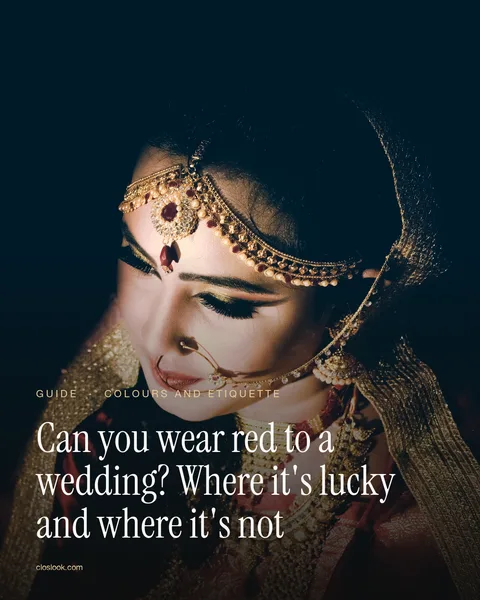
- Bright red, which conflicts with traditional colour meanings at many ceremonies.
- T-shirts, which belong at the after-party, not the ceremony.
And at the traditional wedding: avoid copying the exact colours or kente of the couple and their families unless you've been asked to.
Accessories
- Jewellery: gold, beads and statement earrings suit cultural dress beautifully.
- Headwraps: popular with traditional outfits. Match or complement your fabric.
- A neat clutch: small enough to carry while you greet family, dance and pose for photos.
- Comfortable shoes: the day is long. Block heels or dressy flats work well.
Dressing for the weather
Ghana is warm all year, and many celebrations take place outdoors under canopies.
- Breathable fabrics: cotton prints and lighter kente keep you comfortable through a long afternoon.
- Sun and heat: sunglasses for outdoor photos, and a small fan in your bag.
- Rain: in the rainy season, choose shoes that cope with damp ground and keep a compact umbrella handy.
- Air-conditioned halls: an evening reception indoors can feel cool, so a light wrap or jacket helps.
Etiquette on the day
- Arrive on time for the traditional ceremony: the most meaningful moments, when the families meet and the gifts are presented, happen early.
- Greet the elders and families when you arrive.
- Follow the programme: there may be a master of ceremonies guiding each step, and guests are often invited to dance.
- Join in: dancing, cheering and celebrating with the couple are all part of the day, so wear something you can move in.
- Ask before photographing private family moments.
If you're part of a group
Friends of the bride or groom are sometimes asked to wear a shared fabric or colour, a way of showing whose side you're on and adding to the photographs. If you're invited to join, buy the fabric early and agree a style with your tailor; groups often choose the same cloth but different cuts so everyone can show their own style.
Planning ahead
- Ask about the colour code early, so you have time to buy fabric or an outfit.
- Order early. UNDC advises allowing at least three weeks for made-to-order pieces.
- Have it tailored. A well-fitted outfit in good fabric looks more elegant than an elaborate one.
The short version
Traditional wedding: kente, African print or cultural dress, following any colour code and staying distinct from the couple and family. White wedding: Western formal or semi-formal. Skip white and bright red, wear comfortable shoes, and plan your outfits early.
Still deciding? Try Help me choose, or read Can you wear red to a wedding?.